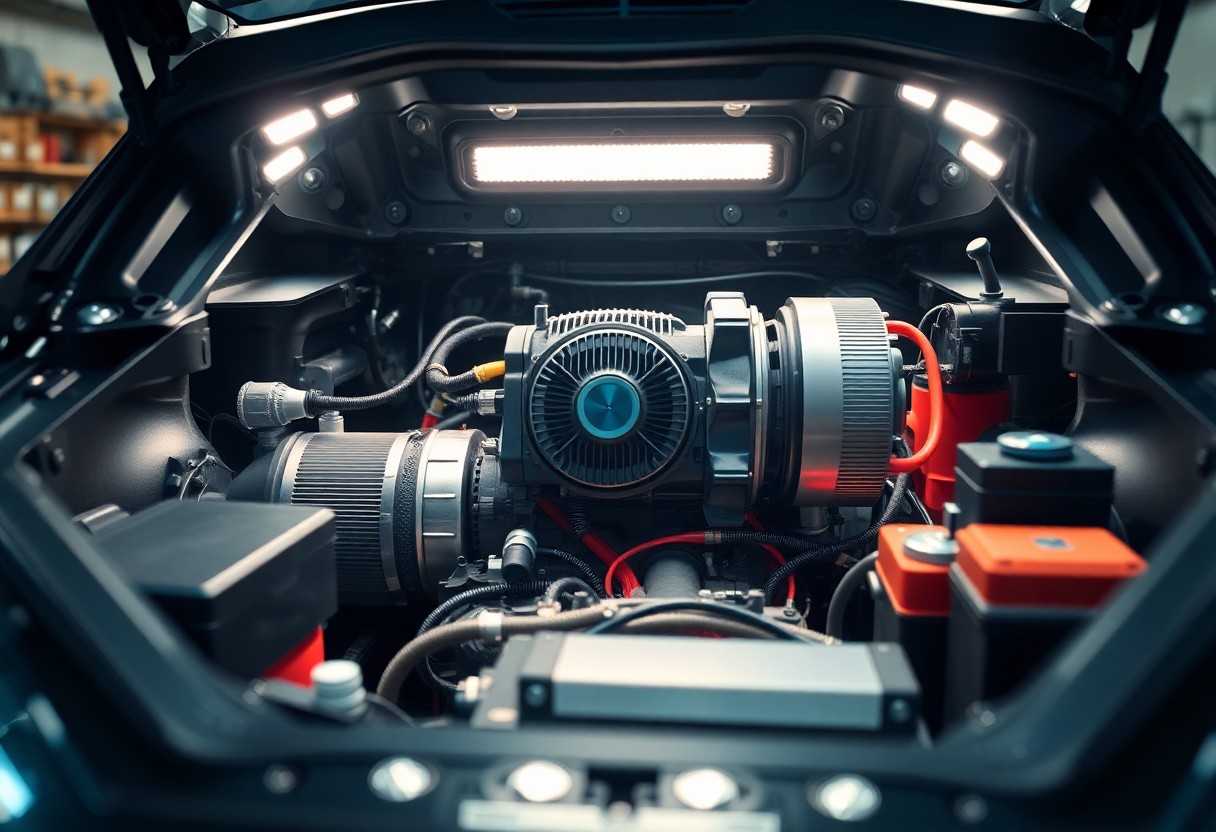
You may not realize it, but electromotors are the heart of electric vehicles (EVs), providing the power and efficiency that drive your journey. These advanced components convert electrical energy into mechanical energy, ensuring that your vehicle performs effectively while minimizing environmental impacts. Understanding how electromotors function can enhance your appreciation of EV technology, as they contribute to higher energy efficiency and lower operational costs compared to traditional combustion engines. As you explore the world of EVs, recognizing the significance of electromotors will empower your choices and elevate your driving experience.
Types of Electromotors
Two primary types of electromotors are used in electric vehicles: DC motors and AC motors. Each type offers distinct advantages and applications. Understanding the differences between them can help you appreciate how they contribute to the efficiency and performance of your vehicle.
| Type of Motor | Application |
|---|---|
| DC Motors | Used in smaller, lighter electric vehicles |
| AC Motors | Widely used in hybrid and high-performance models |
| Brushless Motors | Offers improved efficiency and lower maintenance |
| Switched Reluctance Motors | Gaining traction for cost-effective solutions |
| Induction Motors | Preferred for their reliability and durability |
In DC motors, they are typically simpler in design and can provide high torque at lower speeds. You’ll find that these motors are favored in many applications due to their straightforward construction and ease of control. They also tend to offer excellent torque performance, which is particularly useful during start-up or when climbing hills.
DC Motors
With a direct current as their power source, DC motors can be effectively controlled by varying the voltage. This flexibility allows you to optimize your vehicle’s performance for different driving conditions. In addition, wound field DC motors and brushless DC motors are two common variants that enhance efficiency. For instance, brushless models eliminate the need for brushes, resulting in lower maintenance and higher reliability.
AC Motors
AC motors represent a significant evolution in electric vehicle technology, particularly in high-performance applications. You may find that these motors tend to be lighter and more efficient than their DC counterparts, often translating into better range and performance. They can operate at higher speeds and offer smooth acceleration, which enhances your driving experience.
Two primary types of AC motors are used in electric vehicles: synchronous motors and induction motors. Synchronous motors maintain a constant speed and are often employed in applications requiring precise speed control. On the other hand, induction motors are renowned for their durability and cost-effectiveness, making them a common choice among established EV manufacturers.
Knowing the types of motors available and their respective benefits allows you to make informed decisions when considering electric vehicles.
Tips for Choosing Electromotors
When identifying an electromotor for your electric vehicle, it’s important to evaluate several key factors. Begin with the power rating, which should align with your vehicle’s performance needs. Consider the torque output as it directly influences acceleration and overall handling. Assess efficiency ratings to ensure you maximize your driving range and minimize energy loss. Also, the motor weight can affect your vehicle’s overall performance and battery efficiency.
- Power rating
- Torque output
- Efficiency ratings
- Motor weight
Choosing the right electromotor can significantly impact your driving experience and vehicle longevity. The performance characteristics must align with your needs, ensuring you achieve desired acceleration and range.
Performance Considerations
Prioritizing performance characteristics is vital for a successful electromotor in your electric vehicle. Factors like torque delivery and RPM range are important; a motor that offers high torque at low RPMs can provide better acceleration and responsiveness. Additionally, look into temperature management capabilities, as overheating can reduce efficiency and lifespan.
Consider the type of driving you’ll be doing. For instance, if your driving includes frequent stops and starts, a motor with sustained power output at lower speeds will significantly enhance your experience. Battery compatibility is another factor; ensure that the electromotor integrates smoothly with your vehicle’s battery management system to optimize performance.
Cost and Efficiency
Cost and efficiency are intertwined considerations during your electromotor selection. While initial costs might vary widely based on brand and features, investing in a high-quality motor can result in long-term savings through enhanced efficiency. Look for motors that balance cost-effectiveness and energy efficiency; cheaper options may lead to increased energy consumption over time, ultimately costing you more.
Additionally, performance metrics such as kilowatt-hour per mile should guide your decision-making. Motors with lower consumption ratings can reduce your overall operating costs and extend the longevity of your vehicle’s battery. Manufacturers also often provide warranties based on expected use and efficiency metrics, which can offer peace of mind as you make your choice.
Exploring various motor options can lead you to find those with better efficiency ratings, thus optimizing both your performance and operational expenses. The right balance between cost and efficiency ultimately drives your satisfaction with your electric vehicle.
The Installation Process
Preparation and Tools Required
Before you proceed with installing electromotors, ensure you gather all necessary tools and safety gear. A typical toolkit may include a digital multimeter, socket and wrench sets, pliers, a torque wrench, and electrical tape. Additionally, protective equipment such as gloves, goggles, and face masks are vital to safeguard against any accidental injuries. Proper preparation can significantly impact the installation’s success.
Take time to familiarize yourself with the electrical system of the vehicle. Consult the manufacturer’s manual to understand the specific wiring and mounting instructions for your electromotor. Ensure that you have a clean, well-lit workspace free from distractions. Neglecting these details can lead to mistakes that may compromise your vehicle’s performance.
Installation Process
Begin the installation by disconnecting the battery to prevent any electrical mishaps. Carefully remove the existing motor, if applicable, noting the wiring and mount configurations. This step often requires disconnecting multiple components. Keep track of all screws and connectors as you dismantle the setup to facilitate easier reassembly later. Position the new electromotor in place, ensuring it aligns correctly with the mounting brackets. Misalignment can lead to operational inefficiencies and potential mechanical failure.
Once the electromotor is secured, reconnect the wiring according to the specifications you reviewed earlier. Using the multimeter, verify that all electrical connections are secure and functioning properly. After double-checking the work you have completed, reconnect the battery and perform a test run of the vehicle. Monitor the performance closely, looking for any unusual noises or behaviors that may indicate improper installation. Don’t hesitate to troubleshoot any issues immediately.
During the installation, keeping your workspace organized is key. Place small parts in labeled containers to avoid losing them. Additionally, documenting each phase of the installation process with photos can assist in troubleshooting should issues arise later, ensuring you have a comprehensive record of your work. This attention to detail will help in maintaining the electromotor and your vehicle effectively.
Factors Influencing Electromotor Performance
Performance metrics for electromotors depend on various factors, ensuring their efficiency and longevity. Key aspects include:
- Temperature
- Environment
- Load
- Durability
Perceiving these influences allows you to make informed decisions regarding your electromotor’s application in electric vehicles.
Temperature and Environment
Operating temperature significantly affects motor performance. High temperatures can lead to overheating, resulting in increased resistance and reduced lifespan of the electromotor. On the other hand, low temperatures might impair the motor’s efficiency, affecting its torque output and overall functionality. Environmental conditions such as humidity and dust can also impact performance; increased moisture can cause corrosion, while dust can interfere with ventilation and cooling.
Temperature Effects on Electromotor Performance
| Temperature Range | Impact on Performance |
|---|---|
| Above 70°C | Increased resistance, potential overheating |
| Below 0°C | Reduced torque output, efficiency drops |
Load and Durability
Your electromotor’s load capacity determines its enduring performance in electric vehicles. When carrying excessive loads, motors operate under stress, leading to accelerated wear and tear. It’s necessary to choose a motor that matches your vehicle’s load requirements to optimize efficiency and lifespan.
Durability often correlates with the quality of materials used in construction. Premium-grade components withstand load fluctuations and environmental pressures better than standard options. For optimum performance, look for motors with features like enhanced cooling systems and protective coatings that enhance their resistance to external factors. Every aspect of the motor’s design should ensure it can handle your vehicle’s demands effectively.
Pros and Cons of Electromotors in Electric Vehicles
Pros and Cons of Electromotors
| Pros | Cons |
|---|---|
| High Efficiency: Electromotors convert a large percentage of electrical energy into mechanical energy. | High Cost: Initial costs for high-quality electromotors can be significant. |
| Instant Torque: Provides immediate power delivery, enhancing acceleration. | Heat Generation: Electromotors can produce heat under heavy load, requiring cooling systems. |
| Low Maintenance: Fewer moving parts lead to reduced maintenance requirements. | Limited Range: Battery capacity limits how far an EV can travel before needing a recharge. |
| Regenerative Braking: Ability to recover energy during braking improves overall efficiency. | Dependency on Battery: Performance relies heavily on battery technology and charge levels. |
| Quiet Operation: Provides a quieter driving experience compared to internal combustion engines. | Power Supply Issues: Availability of charging infrastructure can affect usability. |
| Environmentally Friendly: Producing zero emissions during operation when powered by renewables. | Heavy Battery Weight: The weight of batteries combined with the electromotor can reduce overall vehicle efficiency. |
Advantages of Electromotors
Your electric vehicle’s performance is significantly enhanced by the advantages of electromotors. Notably, the instantaneous torque provided by these motors translates into quicker acceleration, allowing you to experience a more responsive drive. This immediate power output can make electric vehicles feel sportier compared to traditional gas-powered vehicles. Coupled with high efficiency, which often exceeds 90%, electromotors allow for a better utilization of energy, translating into extended driving range with less battery consumption.
Additionally, low maintenance requirements present a substantial benefit. With fewer moving components compared to internal combustion engines, electromotors rarely require maintenance and are less prone to mechanical failures. This means lower long-term ownership costs and increased reliability, giving you peace of mind on long journeys. Furthermore, the regenerative braking feature helps recover energy, further enhancing the efficiency and longevity of the battery life as you drive.
Disadvantages of Electromotors
While electromotors offer numerous benefits, they also come with disadvantages that you should consider. The initial purchase cost can be quite high, as high-quality electromotors tend to carry a premium price tag. This can make the upfront investment more daunting compared to traditional vehicles. Additionally, heat generation is an issue; under heavy use, electromotors can overheat, necessitating enhanced cooling systems to ensure optimal performance.
Another significant concern is the limited range of electric vehicles compared to their gasoline counterparts. While battery technology continues to improve, many EVs are still constrained by the capacity of their batteries, which affects how far you can travel between charges. Furthermore, the dependency on an adequate charging infrastructure can create challenges in urban areas or during long trips where charging stations are sparse. With current limitations, you’ll need to plan your journeys carefully to avoid potential charging dilemmas.
Future Trends in Electromotors
Innovations in Technology
Advancements in electromotor technology are poised to redefine the electric vehicle landscape. Recent developments, such as the integration of lightweight materials like carbon fiber and advanced magnetic materials, significantly enhance motor efficiency and reduce overall weight, allowing for improved vehicle range. Companies like Tesla and Rivian are already employing these innovations, which can lead to a 10-15% increase in energy efficiency compared to traditional designs. Furthermore, the rise of solid-state batteries may further revolutionize electromotor capabilities by allowing for faster charging times and greater energy densities.
Moreover, the incorporation of artificial intelligence (AI) into electromotor designs is another exciting trend. AI algorithms can optimize performance in real-time by adjusting parameters based on performance data, leading to smoother operation and better energy management. With these innovations, electromotors are not just components of electric vehicles but are becoming intelligent systems that can significantly enhance the driving experience.
Market Outlook
The market for electric vehicle electromotors is expected to expand rapidly, driven by increasing consumer demand for sustainable transportation solutions. According to recent industry reports, the global electromotor market within electric vehicles is projected to grow at a compound annual growth rate (CAGR) of over 25% from 2023 to 2030. This growth is fueled by government incentives for electric vehicle adoption, rising fuel costs, and a significant shift in public perception towards electric mobility.
As more manufacturers enter the market, competition is likely to boost innovation and reduce costs. Companies like Bosch and Siemens are investing heavily in electromotor research and development to remain competitive. Additionally, collaborations with tech firms to integrate smart technologies into electromotors will likely create new business opportunities and technological interdependencies in the evolving electric vehicle ecosystem.
This optimistic market sentiment is supported by heightened investment in charging infrastructure and battery technology, which further enhances the appeal of electric vehicles. Your potential for future electric vehicle ownership will be enriched by the advancements and competitive dynamics of the electromotor sector, ultimately delivering more efficient, reliable, and sustainable transit options.
Final Words
Summing up, understanding the role of electromotors in electric vehicles is necessary for recognizing how they contribute to your daily driving experience. These components not only determine the efficiency and performance of your vehicle but also influence the overall sustainability of your transportation choices. By harnessing electrical energy, electromotors function effectively in delivering torque and speed in a manner that internal combustion engines simply cannot match.
The integration of electromotors enhances your driving experience by providing instant acceleration and smooth operation. As you consider your options in the evolving automotive landscape, your awareness of electromotor technology can guide you towards making informed decisions that align with your values regarding efficiency and environmental responsibility. Ultimately, embracing this innovation means investing in a more sustainable future for yourself and generations to come.

Comments are closed