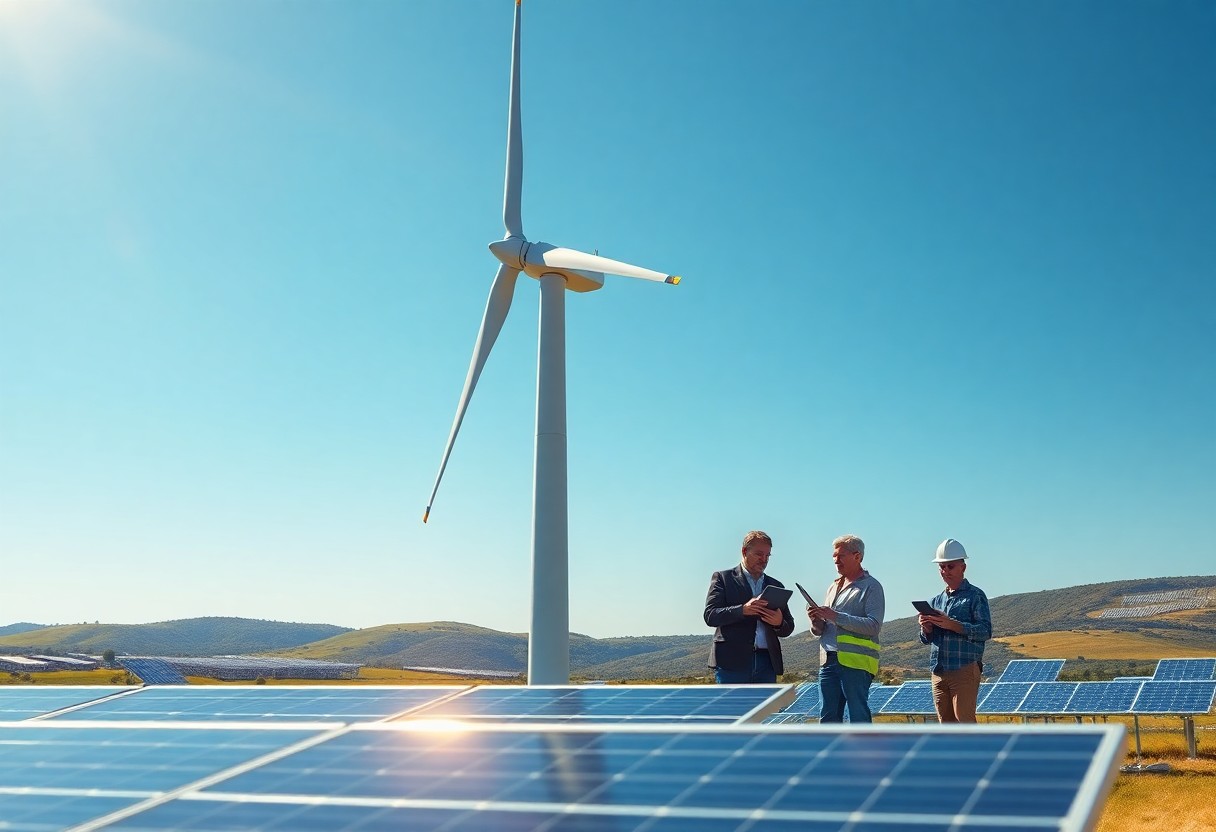
You will discover how electromotors are set to revolutionize the renewable energy landscape. As you probe into this guide, you will learn about the advancements in electromotor technology that can enhance efficiency and reduce carbon footprints. You’ll also find out the potential risks associated with reliance on this technology, as well as the significant benefits it brings to sustainability efforts. By understanding these dynamics, you can better navigate the shifting energy paradigm and make informed decisions for your own energy consumption.
Types of Electromotors in Renewable Energy
When considering the role of electromotors in renewable energy systems, it is necessary to understand the various types available. Each type offers unique benefits and applications, catering to distinct energy generation methods. Your choice can significantly influence efficiency and performance. Below is a summary of the main types of electromotors utilized in renewable energy:
| Electromotor Type | Key Features |
|---|---|
| Brushless DC Motors | High efficiency, long lifespan, reduced maintenance. |
| Synchronous AC Motors | Stable speed control, high power factor, optimal for wind applications. |
| Asynchronous Induction Motors | Robust design, less expensive, used in large-scale applications. |
| Permanent Magnet Synchronous Motors | Compact size, high torque density, ideal for electric vehicles. |
| Switched Reluctance Motors | Simplicity in construction, high efficiency, great for variable speed. |
In examining Brushless DC Motors, you will find that these motors stand out due to their efficiency and reduced maintenance needs. The absence of brushes eliminates friction and wear, leading to a longer lifespan and improved performance in high-demand applications. Additionally, their ability to provide high torque at low speeds makes them particularly suitable for wind turbine generators.
Brushless DC Motors
As you explore deeper into Brushless DC Motors, consider their widespread use in various renewable energy systems. These motors control speed and torque more effectively through electronic commutation, making them ideal for solar panel trackers. With such advancements, you can ensure higher energy capture and optimized performance in renewable installations.
Synchronous AC Motors
Synchronous AC Motors are increasingly prominent in renewable energy, particularly in wind turbines and hydroelectric plants. Their ability to maintain a constant speed regardless of load changes translates to improved efficiency. You benefit from better grid stability and power quality since these motors operate at a constant frequency.
Moreover, the high power factor of Synchronous AC Motors plays a key role in energy savings, allowing for extensive integration within various renewable generation setups. In systems where precision and control are paramount, these motors can help facilitate a more reliable energy production process.
Asynchronous Induction Motors
In contrast, Asynchronous Induction Motors are the workhorses of the renewable sector due to their robust and simple design. You’ll find these motors prevalent in large-scale industrial applications, such as those connected to wind farms. They excel in handling variable loads and offer high reliability with lower initial costs.
With Asynchronous Induction Motors, you can take advantage of their adaptability and scalability, making them suitable for a range of energy systems. Their ability to run on a variety of input sources further enhances their appeal in renewable energy applications.
Recognizing the unique benefits of each motor type allows you to make informed decisions that align with specific renewable energy goals and applications.
Tips for Selecting Electromotors
When choosing electromotors for renewable energy applications, consider performance metrics and operational compatibility to ensure optimal performance. Important factors to evaluate include efficiency, size, and scalability. Your choice can greatly influence the overall productivity and cost-effectiveness of your renewable energy setup. Here are some tips to guide your selection:
- Assess the energy efficiency ratings of the electromotor.
- Evaluate the size of the motor relative to your application’s space constraints.
- Consider the scalability of the motor for future expansions.
- Analyze the operating conditions to ensure compatibility.
- Review manufacturer support and warranty conditions.
Perceiving these factors will lead to a more informed decision in selecting the right electromotor to meet your needs.
Evaluating Efficiency
Efficiency measurements are pivotal when choosing electromotors for renewable energy systems. An electromotor’s efficiency rating determines how much input energy is converted into output mechanical energy. High-efficiency motors can significantly reduce operational costs over time, impacting overall project viability. Look for motors with ratings of 90% or higher, as these can yield substantial energy savings.
In addition to the nominal efficiency, you should assess the load characteristics of the motor during your application. Operating conditions, such as varying loads or temperatures, may impact efficiency ratings. Therefore, it’s wise to refer to the performance curves specific to your chosen motor to ensure it meets your operational requirements under real-world conditions.
Understanding Size and Scalability
Size is another critical aspect of selecting electromotors, particularly in space-constrained environments. The dimensions of the motor should align with your installation specifications while still providing sufficient power output. Be mindful of not only the physical dimensions but also the mounting configurations and connectivity options that may affect installation.
Scalability is integral to accommodate future growth and changing energy demands. When you invest in an electromotor, envision how your renewable energy system may evolve. Choosing motors that allow for easy integration or expansion means you won’t need to replace equipment as your infrastructure grows. This foresight can save time and money, creating flexibility for various renewable projects.
In more extensive systems, the ability to scale up should involve selecting motors that can maintain high efficiency at increased capacities. Opting for modular designs or systems with built-in flexibility enhances your capacity for future upgrades without compromising your operational integrity. Being strategic in these selections will ensure your electromotor investment is sustainable for the long term.
Step-by-Step Guide to Implementation
Assessing Energy Requirements
Begin by evaluating your energy needs to ensure that the electromotor aligns with your renewable energy goals. Analyze the energy consumption of your operation, factoring in peak demands and average usage. This could involve monitoring historical data on energy bills or utilizing specialized software to simulate energy consumption scenarios.
Compile this data to create a clear picture of your requirements over different periods, such as daily, monthly, and seasonal. This information will guide you in selecting a motor with the appropriate horsepower and efficiency ratings, thereby facilitating optimal performance.
Choosing the Right Motor
Selecting the appropriate electromotor is pivotal for your system’s efficiency and longevity. Consider the specific application of the motor-whether it’s for wind, solar, or hydro systems-as each demands different specifications. Research factors like torque, speed, and power requirements, and ensure that the motor’s rating complements your system’s output.
Additionally, factor in whether you need synchronous or asynchronous motors. Synchronous motors provide consistent speed but require precise control, while asynchronous motors offer more flexibility but may operate less efficiently under variable loads.
The choice between AC and DC motors also plays a fundamental role. AC motors tend to be more efficient for large scale applications, while DC motors are often favored for their ease of control in renewable systems. Evaluate your budget, maintenance needs, and environmental factors to arrive at the most suitable option.
Installation Process
The installation of your electromotor should begin with a thorough site assessment to determine optimal placement and alignment. This initial step helps avoid future operational issues. Ensure that all electrical connections meet local codes, and verify that you have the necessary tools and personnel for a safe installation.
Once the site is prepared, carefully follow the manufacturer’s guidelines for mounting and connecting the motor. Pay attention to alignment with the drive system to minimize wear and maximize efficiency. Testing the motor’s functionality before full-scale operation can help identify any issues early on.
Installation plays a key role in ensuring your electromotor operates efficiently. Taking the time to fine-tune its alignment and verify connections will prevent potential disruptions in your renewable energy system. Proper installation can directly impact the longevity and reliability of the motor.
Maintenance Considerations
Be proactive in monitoring performance metrics, such as vibrations and temperature. Any significant changes in these parameters might indicate underlying issues that need immediate attention. Keeping detailed records of maintenance activities will aid in anticipating future repairs and assessing the motor’s health over time.
Incorporating routine checks and balancing maintenance with operational efficiency can prevent significant downtime and repair costs. This proactive approach will ultimately safeguard your investment in renewable energy.
Factors Influencing Electromotor Performance
Performance of electromotors in renewable energy systems is shaped by several key factors. Understanding these elements can significantly enhance the efficiency and reliability of your system. Consider the following influential factors:
- Environmental Conditions
- Load Variability
- Technological Advances
After evaluating these factors, you can tailor your electromotor choice to better meet your renewable energy objectives.
Environmental Conditions
Your electromotor is often operated in various environmental conditions that directly impact its performance. High temperatures, humidity, and dust levels can lead to decreased efficiency or even failure if not properly managed. For instance, electromotors in coastal areas may require additional corrosion protection due to salt exposure, influencing your long-term maintenance strategy.
Additionally, extreme weather conditions such as heavy rainfall or snow can affect the cooling systems of motors, potentially leading to overheating. Implementing protective enclosures and choosing materials that withstand environmental stressors will ensure that your electromotor functions optimally regardless of external conditions.
Load Variability
The operational load that your electromotor experiences fluctuates throughout its lifecycle, which can greatly affect its performance and lifespan. It is important to assess variability in load when designing your system. Motors that are consistently underloaded may suffer from inefficient performance, while those that face sudden spikes in load can incur damage or tripping responses if not adequately rated.
Being aware of and managing load variability helps you design a more robust system. For instance, implementing variable frequency drives (VFDs) can facilitate smoother transitions between loads and optimize energy usage, ensuring your electromotor operates within its ideal parameters.
Technological Advances
Recent technological advances have significantly enhanced the capabilities of electromotors in renewable energy applications. Innovations such as permanent magnet synchronous motors and improved materials for rotor and stator components allow for greater efficiency and reduced size. These motors can provide improved torque and speed control, resulting in better integration with renewable sources like wind and solar.
With ongoing development in smart motor technologies, including integrated sensors and advanced control systems, your electromotor can now adjust in real time to variable load and environmental conditions, greatly enhancing overall system performance and reliability.
Pros and Cons of Electromotors in Renewable Energy
| Pros | Cons |
|---|---|
| High efficiency in converting electricity to mechanical energy | Initial high cost of installation |
| Ability to operate in various environmental conditions | Dependence on reliable electricity supply for optimal function |
| Low maintenance requirements compared to combustion engines | Environmental impact of battery production |
| Scalability for different applications | Limited range of operation in some designs |
| Support for energy storage solutions | Need for advanced control systems for complex applications |
| Compatibility with smart grid technology | Potential for electromagnetic interference |
Advantages of Electromotors
In renewable energy scenarios, electromotors provide significant benefits. Their high efficiency in converting electrical energy into mechanical power helps reduce energy losses, which is important for maximizing output from sources like solar and wind. You’ll find that electromotors operate effectively across a range of environmental conditions, reducing downtime and increasing reliability in renewable systems.
Additionally, the scalability of electromotors allows you to customize solutions for various applications, from small-scale solar-powered devices to large wind turbines. Their low maintenance requirements compared to traditional engines means you can expect lower long-term operational costs, while their synergy with energy storage systems enhances the overall effectiveness of your renewable projects.
Challenges and Limitations
Despite their advantages, electromotors face challenges that can hinder their widespread adoption in renewable energy systems. The high initial costs associated with installation and the infrastructure needed to support electromotors can be significant barriers, especially for smaller projects. Furthermore, while electromotors are efficient, their performance is contingent on a steady and reliable electricity supply, which may not always be available, particularly in remote areas.
Environmental concerns also arise from the production and disposal of batteries required for applications such as electric vehicles or energy storage solutions, which may hinder their sustainability goals. Additionally, the complexity of the advanced control systems needed for modern electromotor designs adds layers of technical challenges that require specialized knowledge and resources, thus complicating implementation.
Future Trends in Electromotor Technology
Innovations on the Horizon
Emerging technologies are set to enhance the effectiveness of electromotors, driving advancements in performance and efficiency. For instance, the integration of advanced materials like carbon nanotubes and high-temperature superconductors promises to increase power density while reducing weight. This could lead to significant improvements in the operational efficiency of your renewable energy systems. Furthermore, biomimetic designs inspired by natural systems are beginning to take center stage, optimizing electromotor functions to mimic efficiency found in nature.
Another exciting development lies in magnetless motors, which utilize innovative techniques such as electric field propulsion. These designs not only promise a reduction in material costs but also eliminate the need for rare-earth magnets, which are often associated with environmental concerns and supply chain vulnerabilities. As these innovations gain traction, you can expect a substantial transformation in how electromotors integrate into your renewable energy projects.
Integration with Smart Grids
The future of electromotors is intricately linked to the advancement of smart grid technology, which focuses on enhancing the efficiency and reliability of energy distribution. You can capitalize on this synergy by utilizing electromotors that communicate seamlessly with smart grid systems, allowing for real-time monitoring and optimization of energy consumption across your installations. This integration not only enhances operational efficiency but also contributes to the larger goal of stabilizing energy flows and reducing wastage.
Smart grids facilitate the incorporation of demand response strategies, enabling your electromotors to adjust their energy use based on grid conditions and electricity pricing. For instance, during peak energy production hours, your motors can operate at higher capacities while scaling back during off-peak periods. This flexibility not only supports the grid’s overall stability but also can lead to significant cost savings, reflecting the growing role of electromotors in future energy systems.
Final Words
As a reminder, the future of electromotors in renewable energy holds great promise for transforming how you harness and utilize clean power sources. By integrating advanced technologies and optimizing designs, you can expect to see enhanced efficiency, increased reliability, and a more sustainable approach to energy generation and consumption. Your role in adopting and supporting these innovations will be vital in driving the transition towards a greener world.
As you consider the impact of electromotors in your renewable energy strategies, think about the potential for cost savings and environmental benefits. The continuous advancements in materials and design, coupled with the growing demand for sustainable energy solutions, will likely make electromotors a central component in achieving your energy goals. Embracing these developments will not only enhance your energy projects but also contribute to a more sustainable future for all.

Comments are closed