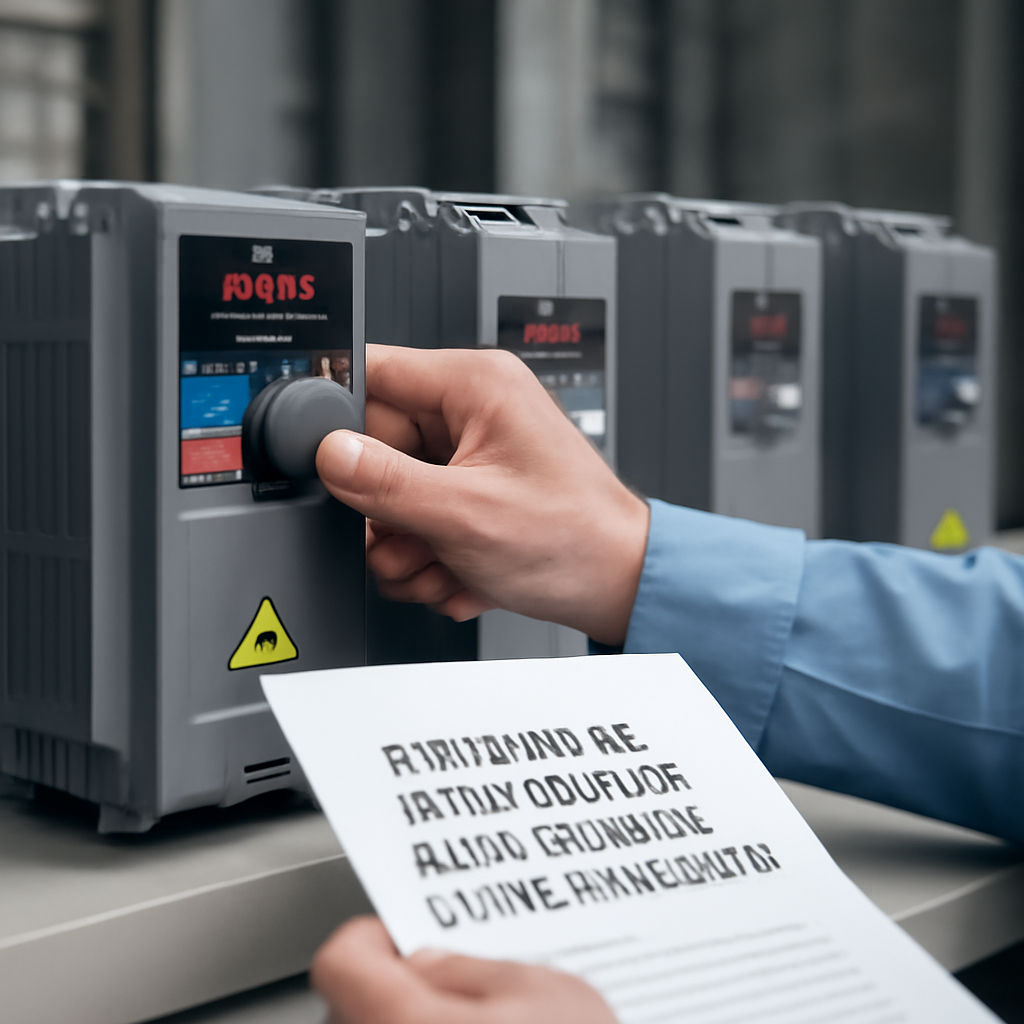
I’ve spent years working with industrial drives, and I can tell you that picking the right component early on saves a lot of hassle later. When I look for proven options, I often examine catalogues and technical sheets — for instance, consider the range of low voltage electric motors h17rl as a starting point for robust, energy-efficient installations.
Selecting the most suitable drive for your needs
If you are planning an upgrade or a new installation, you should assess both technical and operational aspects carefully. Below are a few practical points to guide your decision:
– Efficiency and lifecycle cost — higher initial cost can be offset by much lower energy bills.
– Environmental rating (IP, insulation class) — ensures reliable operation in harsh conditions.
– Serviceability and spare parts access — crucial to minimize downtime.
1. Avoid oversizing: that wastes energy and increases costs.
2. Don’t underspecify: inadequate motors wear out faster and cause failures.
For heavier applications, engineers frequently recommend broader-capacity units; if higher power handling is required, you may want to review the selection of medium voltage electric motors h17r, which are designed for more demanding loads and continuous operation.
He (or she) who manages maintenance will tell you that preventive care and correct commissioning are worth every minute invested — and the data often back that up. It’s neutral advice to collect operating profiles and consult with a specialist before finalizing purchases, because every application has its own quirks.
For a full product overview, technical documents and supplier support, visit electric-motors-vybo.co.uk. By making deliberate, informed choices and balancing cost with reliability, you’ll set up systems that are both efficient and resilient for the long term.

Comments are closed