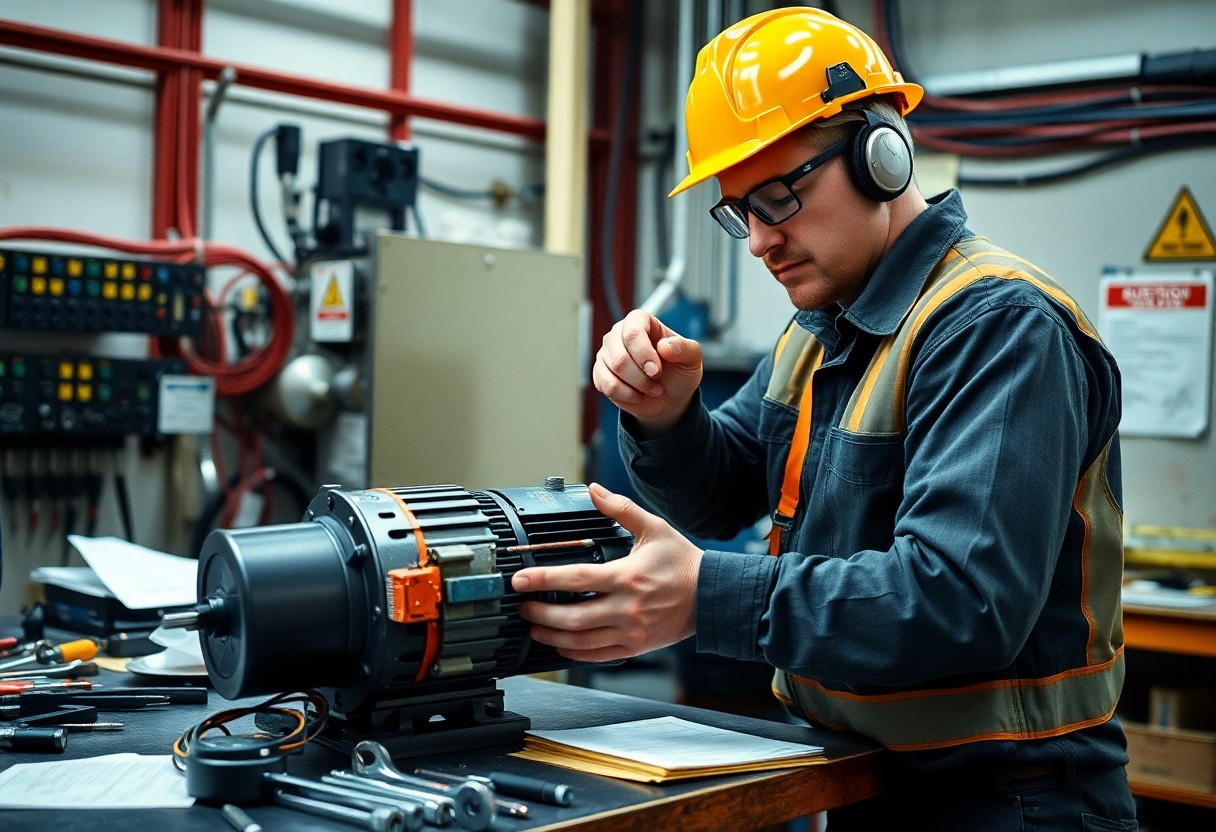
Safety is your top priority when installing an electromotor, as improper handling can lead to serious injuries or equipment damage. You must ensure that the power source is completely disconnected before beginning the installation process. Use the appropriate tools and wear personal protective equipment to shield yourself from potential hazards. Understanding the manufacturer’s guidelines and following the correct procedures will help you achieve a successful installation. By taking these necessary precautions, you can ensure that your electromotor operates efficiently and safely.
Types of Electromotors
When identifying an electromotor for your application, it’s important to understand the different types available. The two primary categories are AC Motors and DC Motors, each with distinct characteristics, advantages, and applications. AC motors operate on alternating current and are widely used in industrial settings due to their durability and efficiency. On the other hand, DC motors function on direct current, offering precise speed control and are often found in automotive applications and robotics.
| Type of Electromotor | Key Characteristics |
|---|---|
| AC Motors | Robust, lower maintenance, operates at fixed or variable speeds |
| DC Motors | High starting torque, easy speed control, direction reversibility |
| Stepper Motors | Precise positioning, multi-step motion control, used in 3D printers |
| Servo Motors | Feedback control, high accuracy, used in robotics and automation |
| Brushless Motors | Efficiency, less wear, suitable for high-speed applications |
AC Motors are predominantly classified into two types: synchronous and asynchronous (induction) motors. Synchronous motors operate at a constant speed determined by the frequency of the supply current. They are often utilized in applications requiring precise timing, like in clocks or in industrial machines needing consistent performance. Induction motors, meanwhile, are more common, as they are simpler and more economical, making them ideal for pumps, fans, and conveyor systems.
DC Motors
DC Motors are appreciated for their ability to provide strong torque at low speeds, making them suitable for various applications including electric vehicles, elevators, and industrial machinery. Their efficiency stems from the direct current allowing for inverter usage, which optimizes their function when integrated into systems requiring speed modulation or reversing direction. They typically require more maintenance than AC motors due to parts like brushes which can wear down over time.
More on DC Motors
You may also encounter different types of DC motors, such as brushed and brushless designs. Brushed DC motors are straightforward and cost-effective but may necessitate more frequent maintenance. In contrast, brushless DC motors are notable for their longer lifespan and reliability due to the absence of brushes, facilitating quieter and more efficient operation. Thou, understanding these differences assists you in making informed decisions for your specific applications.
Factors to Consider Before Installation
Before proceeding with the installation of your electromotor, consider several key factors to ensure both efficiency and safety. Assess your specific applications and the environment where the electromotor will operate. Identify whether you need a single-phase or three-phase motor depending on the power availability in your facility. Additionally, check the voltage rating to match your system requirements. Proper alignment and compatible mounting areas are also critical to avoid any operational issues or mechanical failures. Planning for your electromotor’s performance will save time and resources down the line.
Furthermore, you should think about the potential noise levels and vibration that your electromotor may generate. These factors can affect nearby equipment and personnel. Evaluate factors like ventilation and temperature control to prevent overheating. Proper installation will involve not only the motor itself but also considerations for wiring, circuit protection, and accessibility for future maintenance. Perceiving these elements early on facilitates a smoother installation process.
Power Requirements
Understanding the power requirements of your electromotor is necessary for optimal performance. Each motor model has specific wattage and voltage specifications that you can’t overlook. When dicking out a motor, ensure that it can handle the load it will operate under. This means understanding the necessary horsepower and the starting conditions, especially if using it for heavy-duty applications or in continuous duty cycles. A mismatch can lead to inefficiencies or even equipment failure.
Additionally, consider the power supply’s capacity to handle the motor’s load. You may need an upgrade to your electrical system, especially if connecting multiple motors or other high-demand devices. Utilize tools such as a power meter or consult with an electrician to evaluate your currents and voltages accurately. This information is critical for safe operations and regulatory compliance.
Space and Mounting
Space and mounting are equally important aspects when installing your electromotor. Ensure that the designated area has adequate clearance for airflow and maintenance access. The electromotor should be mounted on a stable and level surface to enhance its operation. Incorrect positioning can lead to additional vibrations, which may shorten the lifespan of both the motor and connected equipment. If space is tight, consider compact motors specifically designed for confined environments.
Moreover, examine the surrounding environment for potential interferences. Electrical lines, water sources, and operating machinery can contribute to unwanted disruptions. An appropriate mounting configuration provides not only physical support but also vibration reduction through specially designed mounts or pads. This setup not only extends the motors‘ operational life but also minimizes noise impacts in sensitive surroundings.
When choosing your motor’s installation location and supporting structure, prioritize solid, vibration-dampening bases, and ensure that the area is free from dust and moisture to reduce contamination risks. With these considerations, you can maximize performance while safeguarding against disruptions.
Step-by-Step Installation Guide
Preparation
Before beginning the installation of your electromotor, it’s important to gather all necessary tools and components. You will need a multimeter, wire strippers, a screwdriver set, and safety gear such as gloves and goggles. Ensure the workspace is clean and free of potential hazards to avoid accidents. Carefully read the manufacturer’s manual for specific requirements related to your motor type, as specifications can vary significantly.
Next, make sure the power is completely disconnected from any circuits you will be working on. Double-check that the power supply is off using your multimeter. This not only protects the motor but also ensures your safety during installation. Assess the mounting location, ensuring it is stable and properly ventilated to prevent overheating during operation.
Wiring and Connections
When wiring your electromotor, begin by connecting the power leads according to the motor’s wiring schematic. Using proper gauge wire is important; using too thin of a wire can lead to overheating or voltage drop issues. Label each wire clearly as you connect them to avoid confusion later. Secure connections tightly to ensure there’s no risk of arcing or loose contacts.
Grounding your motor is critical for safety, so ensure that you connect the ground wire to both the motor and the electrical supply. This provides a pathway for electricity in case of a fault, reducing the risk of shock. Follow the guidelines provided in your electromotor’s manual regarding wire colors and terminal connections to prevent damage.
In more complex installations, consider integrating a variable frequency drive (VFD) for better control over the motor’s speed and torque. Ensure all connections are insulated properly and double-check your work to prevent short circuits.
Testing the Installation
Once everything is wired and secured, it’s time to test the installation. Begin by re-checking all connections, ensuring that no wires are pinched or in contact with moving parts. Switch on the power supply and observe the electromotor for any signs of irregular operation such as unusual noise or excessive vibration. Perform a voltage check at the motor terminals to confirm that the correct voltage is reaching the electromotor.
After initial testing, run the motor under no load to ensure it operates smoothly. Monitor its performance closely for a few minutes before connecting any attached machinery. This helps identify potential issues early and ensures safe operation under load conditions.
If the motor does not start or behaves unpredictably, immediately turn off the power, and revisit your wiring and connections for any mistakes. Each step in this testing process is important to safe and effective electromotor operation.
Tips for Safe Installation
Safety should always be at the forefront of your installation process. Start by ensuring that your work area is clear of clutter. A tidy workspace minimizes the risk of accidents. Keep tools organized, and verify that all equipment is in good condition, especially your safety gear. Use the right tools for the job, and confirm that you have appropriate personal protective equipment (PPE), such as gloves and safety glasses. Additionally, familiarize yourself with the electrical specifications of your electromotor to avoid any potential mishaps.
- Disconnect power sources before starting.
- Use insulated tools to prevent electrical shocks.
- Adhere to all local safety regulations and guidelines.
- Have a fire extinguisher readily available.
Any inadvertent mistakes during the installation can lead to serious hazards like electrical shocks or fires, so taking proactive measures is vital.
Safety Equipment
Your safety equipment is your first line of defense against potential hazards. Invest in high-quality items like insulated gloves, safety goggles, and steel-toed boots designed specifically for electrical work. These items not only protect you from electrical hazards but also from physical injuries that could occur while handling heavy equipment. Ensure your clothing is flame-resistant to further mitigate risks.
In addition, consider using a hard hat if you are working in a space where objects could fall. Using a first-aid kit readily available at your worksite can also aid in addressing minor injuries right away. Overall, prioritizing your personal safety equipment will significantly reduce your risk of injury during installation.
Best Practices
Establishing best practices during the installation process can streamline your efforts and enhance safety. Always review the manufacturer’s installation manual for any specific guidance on your particular electromotor model. This manual will provide critical insights tailored to your device. Additionally, execute your work in a well-ventilated area to avoid inhaling any harmful fumes or particulates that may be emitted during the installation process.
Consolidating your work into focused sessions allows you to maintain concentration and reduce the chance of making errors. When installing your electromotor, check each step methodically before proceeding to the next. It may help to engage a partner as a second pair of eyes can catch potential oversights you might miss. Any lapses in attention could lead to problems down the line, so remain vigilant throughout the process.
Pros and Cons of Electromotor Usage
Pros and Cons of Electromotor Usage
| Pros | Cons |
|---|---|
| Energy-efficient operation | Initial high cost |
| Low maintenance requirements | Performance may drop at high temperatures |
| Quiet operation | Limited power range compared to combustion engines |
| Environmental benefits | Dependency on electricity supply |
| Versatility in applications | Possible complexity in installations |
| Compact design options | Weight considerations in larger models |
| Instantaneous torque | Can be sensitive to voltage fluctuations |
| Long operational lifespan | Heat management required |
| Wide availability of parts | Limited mobility without an external power source |
| Advanced control options | Risk of electrical hazards if improperly managed |
Advantages
Utilizing an electromotor offers a variety of significant advantages. First, it’s necessary to note that electromotors are known for their energy efficiency, often operating at efficiency levels above 90%. This efficiency translates to lower energy costs and a reduced carbon footprint compared to traditional combustion engines. Moreover, electromotors produce less noise during operation, making them ideal for environments where sound pollution is a concern, such as residential areas or hospitals.
Furthermore, the low maintenance needs of electromotors contribute to their appeal. With fewer moving parts and no requirement for regular oil changes or fuel replacements, you can expect to save both time and money on upkeep. Their versatility allows them to be employed in various applications, from household appliances to industrial machinery, providing flexibility depending on your specific needs.
Disadvantages
While electromotors present several benefits, they also come with certain disadvantages. One primary concern is the initial investment; the purchase price of high-quality electromotors can be significantly higher than that of traditional motors. Additionally, these motors may experience performance issues in extreme temperatures, impacting efficiency. There’s also the potential limitation in power output, making them less suitable for high-demand scenarios compared to their combustion engine counterparts.
Another critical issue to consider is the dependency on the electricity supply. If your application is in a location prone to outages or limited grid access, the practicality of an electromotor may diminish. Moreover, voltage fluctuations can affect the motoring capabilities, requiring additional control systems to mitigate any risks. Effective heat management is necessary to maintain optimal performance and prolong lifespan, which may add to the complexity of your setup.
Common Mistakes to Avoid
Improper Wiring
When installing an electromotor, improper wiring is a prevalent error that can lead to equipment failure or even safety hazards. Ensure you match the motor’s voltage and amperage ratings with the power supply, as mismatched settings can cause overheating or short circuits. Always refer to the manufacturer’s wiring diagram and double-check your connections before powering up the motor. Using the wrong gauge wires can also lead to inadequate current flow and may eventually damage the motor.
Additionally, failing to secure wire connections can lead to arcing, which is not only dangerous but can also result in significant damage to your motor and surrounding equipment. Using wire nuts or proper terminal blocks will help maintain a secure connection. Always test the continuity and insulation resistance with a multimeter to ensure your wiring is intact before starting the motor.
Neglecting Safety Protocols
Overlooking safety protocols can dramatically increase the risk of accidents during the installation of an electromotor. Always wear appropriate personal protective equipment (PPE), including gloves and safety goggles, to protect yourself from potential hazards such as electrical shock or flying debris. If you’re working with high voltages, consider employing insulated tools as an additional precaution. Furthermore, it’s advisable to keep the work area clear of clutter to ensure you have ample space to maneuver safely.
Also, if you’re unsure about any part of the installation process, consult a professional. A lack of knowledge about your specific motor’s requirements can result in serious errors. Treat every step of the installation with professionalism and care to prevent injuries or damage to your equipment.
Neglecting safety protocols can have dire consequences not only for you but also for those around you. In one instance, a technician suffered severe injuries due to an electrical short caused by inadequate safety measures during installation. Always ensure your workspace is compliant with local regulations, and don’t hesitate to shut off the power source while working. It’s better to double-check than to rush and overlook vital safety procedures.
Conclusion
Drawing together the steps outlined in this guide, it’s crucial that you follow safety protocols meticulously when installing an electromotor. Ensuring that the power supply is disconnected before you begin and utilizing protective gear will significantly lower the risk of accidents. Make sure to secure the motor properly and follow the manufacturer’s installation guidelines to avoid operational issues later.
As you complete the installation, take the time to double-check all connections and wiring. Your attention to detail will not only ensure the electromotor functions effectively but also extend its lifespan. Conduct a final inspection and run tests to confirm everything is in optimal condition, allowing you to operate with confidence knowing your installation is both safe and correct.

Comments are closed