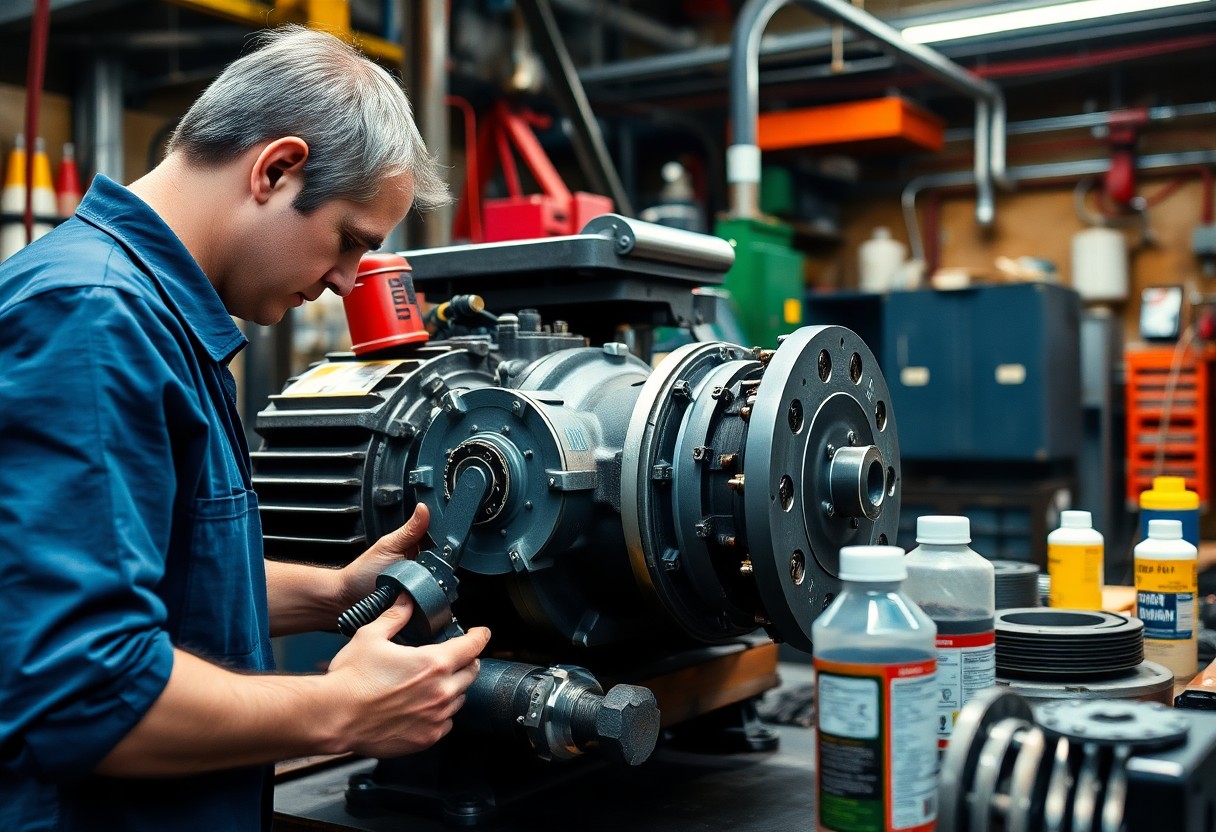
You can significantly extend the life of your electromotors with the right maintenance practices. Regular inspections and proper lubrication are key to preventing wear and tear. Keeping your motors clean and free from debris will enhance their performance and efficiency. Additionally, monitoring operating temperatures can help you identify potential issues before they become serious problems. By implementing these tips, you’ll not only ensure your electromotors run smoothly but also save on costly repairs and replacements over time.
Types of Electromotors
Understanding the various types of electromotors is crucial for effective maintenance and operation. The two primary classifications are AC motors and DC motors. Each type has distinct characteristics and applications that determine their suitability for different environments and machinery. Here’s a breakdown of the main types:
| Type | Description |
| AC Motors | Run on alternating current; ideal for stationary applications. |
| DC Motors | Run on direct current; often used in transport and robotics. |
| Synchronous Motors | Speed of stator magnetic field matches rotor speed. |
| Induction Motors | Most common; uses magnetic fields to create rotor movement. |
After understanding these types, you can make informed decisions about your specific applications and maintenance needs.
AC Motors
AC motors are widely recognized for their robust performance in applications where continuous operation is required. They are particularly effective for driving pumps, compressors, and conveyor systems. The two main types of AC motors are synchronous and induction. Synchronous motors operate at constant speed and are used when precision is crucial, while induction motors are the most common type found in industrial environments due to their simplicity and reliability.
Routine maintenance for AC motors involves inspecting electrical connections, ensuring that ventilation is unobstructed, and lubricating bearings appropriately. Overheating is a significant concern; monitoring operating temperatures can prevent detrimental failures. A controlled environment, free from dust and moisture, is vital for prolonging the lifespan of an AC motor.
DC Motors
DC motors are favored in scenarios requiring variable speed and torque. Their design allows you to control the speed effortlessly, which is particularly beneficial in robotics and electric vehicles. With features like simple construction and high torque at low speeds, these motors meet various operational needs efficiently. Common varieties include brushed and brushless DC motors, with the latter gaining popularity for reduced maintenance needs and increased efficiency.
To ensure the longevity of DC motors, keep an eye on the brushes and commutators, as wear can significantly impact performance. Regularly checking for any unusual vibrations or noises can help you catch potential issues before they escalate. Moreover, keeping connections clean and secure prevents electrical resistance, thereby optimizing motor performance.
Additionally, DC motors can be effectively integrated into complex drive systems, allowing for adjustable speed profiles that enhance overall operation. Their ability to provide high starting torque makes them particularly advantageous in applications like electric vehicles or lift systems.
Maintenance Tips for Electromotors
Regular Inspections
Conducting regular inspections is necessary to identifying potential issues before they escalate into serious problems. Schedule inspections every few months based on usage, checking for signs of wear, unusual noises, or vibrations that could indicate imbalance or bearing failures. During these inspections, closely evaluate components such as wiring, connections, and cooling systems, all of which play a role in your electromotor’s performance.
Special attention should be given to the lubrication levels and the condition of seals, as inadequate lubrication can lead to increased friction and overheating. You may also want to utilize vibration analysis tools to assess motor health in real-time, which can give you early insights into any developing issues. Thou shalt not overlook these routine checks, as they are fundamental to the longevity of your electromotor.
Cleaning Procedures
Establishing thorough cleaning procedures is vital for maintaining optimal performance. Dust, dirt, and debris can accumulate in and around your electromotor, leading to overheating and eventual failure. Utilize a compressed air source to blow away dust particles, especially from cooling vents and windings. For more stubborn debris, consider wiping surfaces with a soft cloth and a suitable cleaning agent.
Additionally, creating a regular cleaning schedule can help prevent maintenance backlogs. Depending on your operating environment, monthly or quarterly cleanings may suffice. Utilize protective covers for your electromotor when not in use to minimize dirt buildup. Thou must prioritize cleanliness to ensure your electromotor remains efficient and functions smoothly over time.
Remember to adapt your cleaning procedures to fit the specific type of electromotor you have, as different models may have unique requirements. Pay close attention to any manufacturer guidelines or recommendations that may be provided to optimize your cleaning routine. Incorporating proper cleaning methods will significantly reduce the risk of malfunctions due to environmental factors, ultimately extending your electromotor’s lifespan.
Step-by-Step Maintenance Guide
Preparing for Maintenance
Before plunging into your maintenance routine, it’s imperative to equip yourself with the correct tools and knowledge. Gather tools like screwdrivers, wrenches, multimeters, and lubricants. Familiarize yourself with the specific model of your electromotor by consulting the manufacturer’s manual, which often contains vital information regarding assembly and maintenance procedures. This preparation phase ensures that you can execute tasks efficiently without unnecessary interruptions.
Next, always prioritize safety. Disconnect the power supply and ensure that the motor is completely de-energized before beginning any maintenance work. Wearing appropriate personal protective equipment (PPE) such as gloves and goggles will further protect you from unexpected hazards when inspecting the motor’s components.
Executing Routine Checks
Conducting routine inspections of your electromotor helps catch potential issues early. Start by visually examining the motor’s exterior for any signs of wear or damage, such as cracks or corrosion. Upon opening the casing, check the internal components, ensuring all connections are tight and there are no signs of overheating, such as burnt wires or a distinctive odor. A systematic approach in these checks will provide peace of mind, allowing you to operate your motor with confidence.
Additionally, monitor the operating conditions. Keep an eye on temperature fluctuations; a motor running significantly hotter than its standard operating temperature often indicates underlying problems that require immediate attention. Utilizing a multimeter to check voltage and current can help you identify any deviations from the norm, ensuring your electromotor operates efficiently.
Incorporating a structured checklist during routine checks can enhance the thoroughness of your maintenance sessions. For example, create a table outlining key areas to inspect, timely actions to take, and recorded data from previous checks. Consistency is key; scheduling these inspections quarterly or bi-annually can help in preventing unexpected failures throughout the electromotor’s lifecycle.
Factors Affecting Electromotor Longevity
Your electromotor’s longevity is heavily influenced by a variety of factors. To grasp how to enhance their life span, consider the following aspects:
- Operating Environment
- Load Conditions
- Maintenance Practices
- Temperature Variances
These factors collectively dictate the overall performance and durability of your electromotors. Any oversight in these areas can lead to significant operational issues and reduce their effective lifespan.
Operating Environment
The operating environment of your electromotor plays a critical role in its longevity. Factors such as humidity, dust, and ambient temperature can accelerate wear and tear. For instance, motors operating in high-dust environments may accumulate debris that can obstruct ventilation and cause overheating. This heat buildup can lead to insulation failure, drastically reducing lifespan.
Load Conditions
Load conditions directly impact electromotor performance and lifespan. Motors designed to operate at specific load ratings can face challenges when consistently overloaded, leading to excessive heat and mechanical strain. Continual operation at or beyond these limits can increase wear on bearings and windings, shortening their operational life. As a guide, always monitor load levels to ensure they remain within recommended specifications.
A nuanced understanding of your load conditions ensures you’re optimizing your electromotor’s efficiency and extending its operational life. Addressing these factors appropriately is vital for long-term success in electromotor maintenance and operation.
Pros and Cons of Different Electromotor Types
Pros and Cons of Electromotor Types
| Pros | Cons |
|---|---|
| High efficiency and low operational costs | Higher initial purchase price |
| Low maintenance requirements | Less torque at low speeds |
| Compact and lightweight designs | More sensitive to temperature changes |
| Wide range of speed control options | Complex control systems may increase downtime |
| Environmentally friendly options available | Limited to specific applications |
Advantages
When considering electromotor types, various advantages stand out. For instance, synchronous motors are known for their high efficiency and energy-saving features, which can result in substantial cost savings over time. Additionally, their compact size makes them ideal for applications where space is limited. Equally important, brushless DC motors have a long lifespan due to their construction, bearing systems, and minimal maintenance requirements, making them an excellent choice for continuous operations.
Moreover, you will find that many electromotor options now include electronic controls that allow for precise speed adjustments, enhancing their usability in different operational scenarios. This capability not only increases performance but also boosts productivity, as machines can be finely tuned to their tasks. Altogether, these advantages underscore the importance of selecting the right electromotor for your needs.
Disadvantages
Despite the advantages, several disadvantages must also be considered when choosing electromotor types. For instance, the initial investment for high-efficiency motors can be substantial, which may deter potential buyers. Additionally, while they are efficient at higher speeds, some motors like induction types may struggle to deliver adequate torque at lower speeds, limiting their versatility in certain applications. Furthermore, certain control systems may complicate maintenance, increasing potential downtime and training costs.
High-performance electromotors frequently demand specialized electrical setups and components, which can complicate installation and -> necessitate advanced technical support. For industrial applications, this may lead to unexpected costs and operational challenges if you lack the necessary infrastructure or expertise. Therefore, a thorough evaluation of your specific requirements is imperative to ensure that you choose an electromotor that aligns with both your operational capabilities and budget constraints.
Common Troubleshooting Tips
In the event that you encounter issues with your electromotor, understanding some common troubleshooting tips can aid in diagnosing problems swiftly. Regular symptoms like excessive noise, unusual vibrations, or fluctuating speeds can signal underlying issues. Firstly, always check the power supply and connections to ensure there’s no electrical fault. If these basics are in order, inspect the windings and bearing components for visible wear. Beyond these visual checks, also monitor for thermal overloads, as overheating can significantly reduce your motor’s lifespan.
- Check the electrical connections.
- Inspect for signs of physical damage.
- Monitor temperature readings.
- Listen for unusual noises.
Identifying Issues
To efficiently tackle issues with your electromotor, pinpointing the source of the problem is key. Utilize diagnostics like vibration analysis or thermal imaging to assess conditions beyond the visible surface. For instance, if your motor consistently runs hot, it may indicate an overload condition or inefficient cooling. If you encounter fluctuations in performance, it could suggest inconsistencies in the power supply or core components malfunctioning.
Pay close attention to audible signs as well; grinding or humming noises often hint at bearing or alignment problems. Factors like dust accumulation or poor lubrication can also contribute significantly to these issues. When you notice any performance anomaly, capturing data from your last maintenance session can provide helpful context and assist in identifying trends that have developed over time.
Solutions
Upon diagnosing the issue, the next step is implementing effective solutions. If the problem stems from inadequate lubrication, ensure to apply the proper type of grease or oil according to the manufacturer’s specifications. For electrical faults, it’s vital to test each connection and replace any damaged components as necessary. Regular cleaning routines will also prolong the life of your motor, preventing contamination from dust or debris.
After you’ve applied solutions, it’s prudent to monitor the motor closely for a period. Develop a testing plan that includes both operational checks and environmental assessments to ensure effectiveness. A comprehensive approach not only resolves immediate issues but also establishes best practices for future maintenance. This continued vigilance can prevent minor problems from evolving into significant failures that are truly costly and detrimental to your operations.
Summing up
So, by implementing regular maintenance practices, you can significantly extend the lifespan of your electromotors. Ensure that you routinely check for dust accumulation, lubricate moving parts, and inspect electrical connections. These proactive steps help prevent unexpected breakdowns and costly repairs, allowing your machinery to operate efficiently over the long term.
In addition, always prioritize the use of quality components and follow manufacturer’s guidelines. Staying vigilant about temperature control and vibration levels can greatly enhance the performance of your electromotors. By taking these measures seriously, you create an environment where your equipment can thrive, ensuring reliability and efficiency in your operations.

Comments are closed