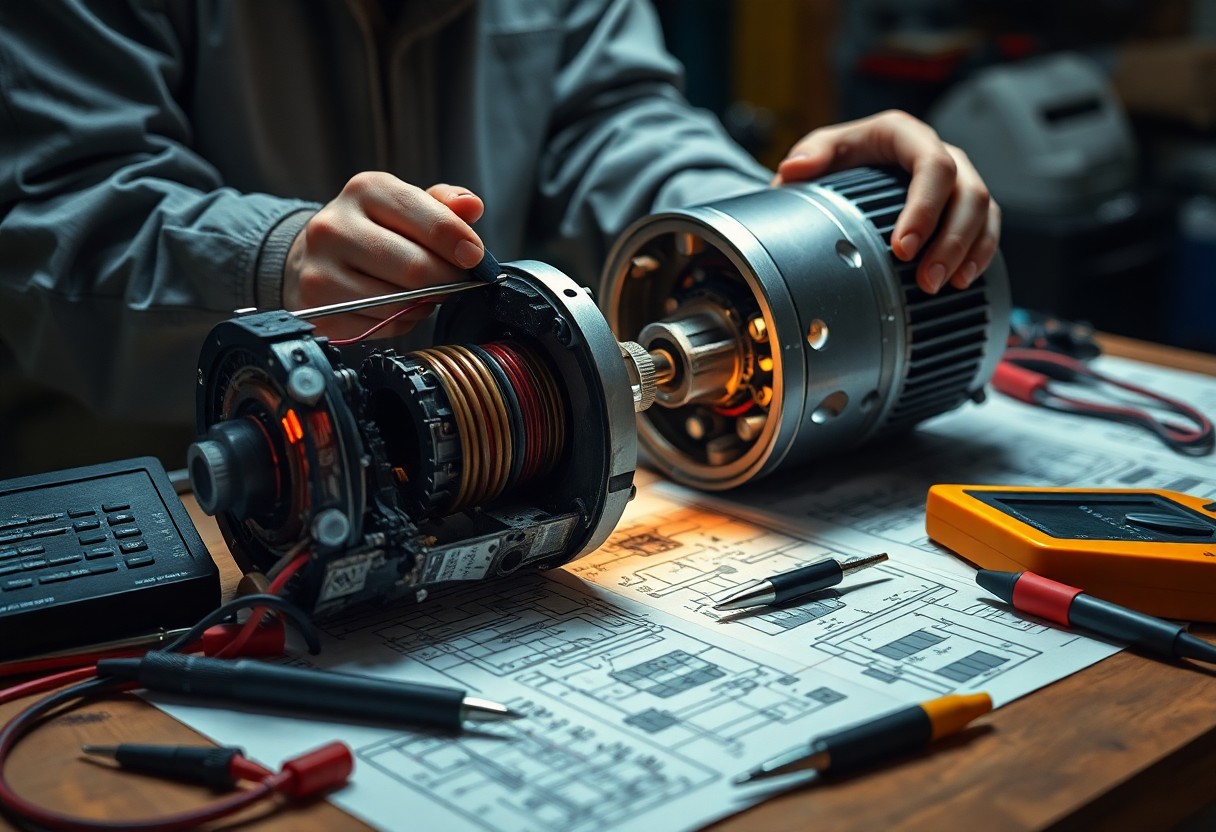
Just when you rely on your electromotor the most, it may encounter issues that hinder performance. Whether it’s unusual noises, overheating, or inconsistent power delivery, knowing how to troubleshoot these common problems can save you time and money. By understanding the fundamentals of your electromotor and addressing these problems directly, you can ensure that your equipment operates smoothly and efficiently. This guide will equip you with the tools and knowledge to diagnose and resolve issues effectively.
Types of Electromotor Problems
- Mechanical Issues
- Electrical Issues
- Overheating
- Noise Problems
- Vibration
| Type of Problem | Description |
|---|---|
| Mechanical Issues | Adverse impacts on performance stemming from physical components. |
| Electrical Issues | Failures due to power supply and circuit malfunctions. |
| Overheating | Excessive heat buildup affecting operation. |
| Noise Problems | Unusual sounds indicating potential failure. |
| Vibration | Abnormal disturbances causing instability. |
Mechanical Issues
Your electromotor can face various mechanical issues that lead to failure. Common causes include worn bearings, misalignment, and loose parts. When bearings wear out, they can create excess friction, leading to inadequate lubrication and ultimately overheating. Additionally, misalignment can cause unnecessary stress on the motor and its components, which may shorten its lifespan and impact performance efficiency.
Loose parts can often lead to increased vibration and noise, which may indicate deeper issues within the motor. Regular inspections and maintenance can help identify these mechanical problems early on. Be proactive in checking for looseness or shifts in the motor’s position to prevent further damage and ensure smooth operation.
Electrical Issues
Electrical problems commonly arise from faults in the power supply or circuit configurations within the motor. Issues such as power surges, short circuits, or incorrect voltage supply can lead to inadequate motor performance or even complete failure. Monitoring the electrical feeding lines and ensuring consistent voltage can help mitigate these risks, providing a more stable operation for your electromotor.
Another aspect of electrical issues you should consider is the condition of the electrical insulation. Damaged insulation can cause short-circuiting and fire hazards, significantly affecting safety and performance. Any electrical irregularities or indications of overheating should be addressed immediately to avoid severe consequences. Ensuring all electrical connections are secure and inspecting wiring regularly can save your motor from catastrophic failures.
Common Factors Contributing to Problems
Several factors can lead to electromotor issues, and identifying them is necessary for effective troubleshooting. The predominant contributors include environmental conditions, maintenance practices, and operational parameters. For instance, frequent exposure to extreme temperatures or moisture can severely affect motor performance and longevity. Inadequate airflow around the motor can lead to overheating, while improper voltage supply can damage components. Addressing these elements can not only prevent problems but also enhance the motor’s efficiency.
- Environmental factors
- Maintenance practices
- Operational parameters
Perceiving these influences early allows for timely interventions and adjustments that can preserve the reliability of your electromotor.
Environmental Factors
Your electromotor’s environment plays a significant role in its performance and durability. Factors such as humidity, temperature, and contaminants in the air can lead to corrosion, insulation failure, or other physical damages. For instance, operating in a humid environment could result in condensation forming inside the motor, thus causing short circuits. Similarly, high temperatures can wear down insulation over time, leading to potential motor failure. Being aware of these conditions is vital for maintaining the motor’s integrity.
- Humidity
- Temperature
- Airborne contaminants
Any modifications to the working environment can mitigate risks and significantly improve motor lifespan.
Maintenance Practices
Your maintenance practices directly influence the performance of your electromotor. Regularly scheduled inspections and servicing often reveal issues before they escalate into serious problems. Essential actions include lubricating bearings, tightening loose connections, and cleaning the motor to remove dust and debris. Neglecting these aspects can lead to increased wear and tear, ultimately resulting in operational downtime. A well-planned maintenance schedule can help you identify wear patterns or any needed adjustments, ensuring the motor continues to operate smoothly.
In the final analysis, integrating rigorous maintenance practices is fundamental to extending your electromotor’s operational life. Regular tasks such as checking electrical connections and monitoring temperature levels not only enhance performance but also prevent costly repairs due to neglect. By adhering to these practices, you’ll be ensuring your motor runs efficiently and reliably.
Step-by-Step Troubleshooting Guide
Initial Assessment
Begin by observing the electromotor for any obvious signs of failure. Check for unusual noises, vibrations, or odors. These indicators often point to underlying issues such as worn bearings or electrical faults. Ensure that the motor’s power supply is stable; fluctuations can lead to performance problems. Additionally, inspect the surrounding environment for obstacles or debris that may affect operation.
Next, confirm that the motor is correctly connected to its power source. A loose connection or improperly wired circuit can cause the motor to fail to start or run inefficiently. Take note of any error codes if the motor has a diagnostic feature. This preliminary step sets the foundation for a deeper examine potential issues.
Detailed Inspection
With the initial assessment complete, proceed to a more in-depth examination of the electromotor’s components. Begin by checking the electrical connections. Ensure that all terminals are tight and free from corrosion. Inspect the windings for signs of burnout, such as discoloration or a burnt smell, which may indicate insulation failure. Additionally, look for physical damage to the housing or mounting points that can affect alignment and performance.
Next, evaluate internal components like the rotor and stator. A visual inspection can reveal wear patterns or debris buildup that might impede functionality. Utilize a multimeter to measure coil resistance and continuity. Discrepancies in these readings often suggest an electrical problem that requires rectification.
A detailed inspection might also involve disassembling the motor if surface checks do not reveal the issue. By examining components like the bearings and seals, you can identify wear that isn’t visible externally. If you find excessive play in bearings or rust, these may require immediate attention to prevent further damage.
Repair or Replace
After assessing the motor, you’ll need to decide whether repair or replacement is more economical. If the damage is minor, such as a faulty bearing or a corroded connection, repairs may be cost-effective. Parts like capacitors or brushes can be replaced relatively easily, improving efficiency without incurring substantial costs. Always compare the repair costs against the price of a new motor; if repairs are more than 50% of the replacement cost, opting for a new unit may be wiser.
However, if the motor shows significant signs of burnout, internal damage, or persistent problems despite repairs, replacement is likely the best avenue. New technology also offers improved efficiency and longer lifespans, providing value for your investment. Make sure to consider the specifications of your intended application when selecting a new motor to avoid recurring issues.
Choosing to replace your motor should also come after evaluating the long-term benefits. A new motor typically comes with warranties and support from the manufacturer, which can save you stress and costs down the line. Investing in a higher quality or more efficient motor can ultimately pay off through reduced energy consumption and increased productivity.
Tips to Prevent Electromotor Problems
Maintaining the performance of your electromotor involves implementing practical strategies to mitigate potential issues. Regularly scheduled check-ups and adhering to best practices can significantly enhance the lifespan of your equipment. Consider following these guidelines:
- Scheduled Maintenance: Consistently inspect and service your electromotor.
- Cleanliness: Keep the motor and surrounding area free of debris.
- Heat Management: Ensure your motor is adequately cooled to prevent overheating.
- Proper Wiring: Regularly inspect electrical connections for wear and ensure they’re secure.
This proactive approach can minimize unforeseen breakdowns and costly repairs.
Regular Maintenance
Frequent maintenance checks are important for the longevity and efficiency of your electromotor. Aim for at least quarterly thorough inspections, focusing on components such as bearings, brushes, and windings. Utilizing lubrication on moving parts reduces friction and wear, contributing to smoother operations. Furthermore, replace any worn parts immediately to avert further damage and restore optimum functionality.
Calibration and performance tests should be a routine part of your maintenance schedule. For example, monitoring the motor’s load conditions helps ensure it’s operating at efficient levels. If you notice that your motor draws more than its rated current, re-evaluate the load to prevent overheating and failure.
Proper Usage Guidelines
Adhering to established usage guidelines plays a foundational role in preventing electromotor problems. Each motor comes with specifications that outline optimal operating conditions, including voltage levels and load capacities. Exceeding these limits can lead to excessive wear and premature failure. Always ensure your motor is used within the parameters set by the manufacturer, and avoid conditions that may induce strain on the machine.
In addition to adhering to specifications, consider the environment in which your electromotor operates. Factors such as humidity, dust, or corrosive materials can affect performance. By providing a controlled environment – free from contaminants and extreme temperatures – you can prolong the life of your motor. This ensures that your equipment runs efficiently and remains reliable in various applications.
Pros and Cons of Different Troubleshooting Methods
Pros and Cons of Troubleshooting Methods
| Method | Pros |
|---|---|
| DIY Troubleshooting | Cost-effective; empowers you with knowledge; quick resolution in minor issues. |
| DIY Troubleshooting | Risk of overlooking complex issues; potential for damaging equipment. |
| Professional Assistance | Expert diagnosis; more effective for complicated problems; warranties may cover repairs. |
| Professional Assistance | Higher costs; potential waiting time for service; less control over repair process. |
| Online Resources | Wide range of information; can supplement self-diagnosis; accessible at any time. |
| Online Resources | Information overload; reliability of sources varies. |
| Manufacturer Support | Expertise on specific models; targeted solutions; possible warranty benefits. |
| Manufacturer Support | Slow response times; limited to certain brands. |
DIY Troubleshooting
When you choose DIY troubleshooting, you tap into various practical approaches that can save you time and money. You can start by consulting user manuals and online resources, which often provide detailed instructions tailored to specific electromotor models. Regular maintenance routines, such as cleaning and lubricating parts, can also resolve minor issues without professional help. For instance, if your motor is overheating, you might find that a good cleaning of vents and bearings can restore functionality.
However, DIY troubleshooting comes with its own set of challenges. If you misdiagnose the problem, you may exacerbate the issue, leading to more severe damage or the need for a professional repair. Additionally, without the right tools or experience, you risk your safety. Thus, while DIY can be rewarding, you should always evaluate the risk versus reward when attempting repairs.
Professional Assistance
Seeking professional assistance offers a reliable route for complex electromotor issues that DIY methods may not adequately address. Technicians have the training and experience to diagnose problems quickly, ranging from electrical failures to mechanical wear. Many times, they can also tap into manufacturer databases for precise troubleshooting, potentially resolving the issue within a fraction of the time it would take you to figure it out on your own.
Despite the advantages, working with professionals may lead to higher expenses, especially if the issue requires extensive labor or replacement parts. Furthermore, you may experience delays if a technician is busy or if a part needs to be ordered. It’s important to consider these factors and weigh them against the benefits of ensuring your electromotor is serviced properly.
Overall, opting for professional assistance ensures that the most intricate technical challenges are managed effectively. With their expertise, professionals not only fix the immediate problem but may also identify underlying issues, preventing recurrence. You can often benefit from warranties on repairs, offering peace of mind that DIY attempts simply cannot guarantee.
Final Words
Taking this into account, you can effectively troubleshoot common electromotor problems by following systematic steps to identify and rectify issues. Start by checking power supply connections and ensuring everything is securely in place. If the motor does not start, examine the circuit for blown fuses or tripped breakers. Regular maintenance, such as inspecting brushes, bearings, and insulation, will also enhance your motor’s performance and longevity.
By familiarizing yourself with the typical symptoms of electromotor malfunction, you can quickly isolate problems. Listen for unusual noises, observe any overheating, and note irregular operational behavior. Utilizing a multimeter to check voltage and current can provide valuable insights into the motor’s condition. With these methods, you’ll not only resolve issues more efficiently but also gain a deeper understanding of your electromotor’s functionality.

Comments are closed