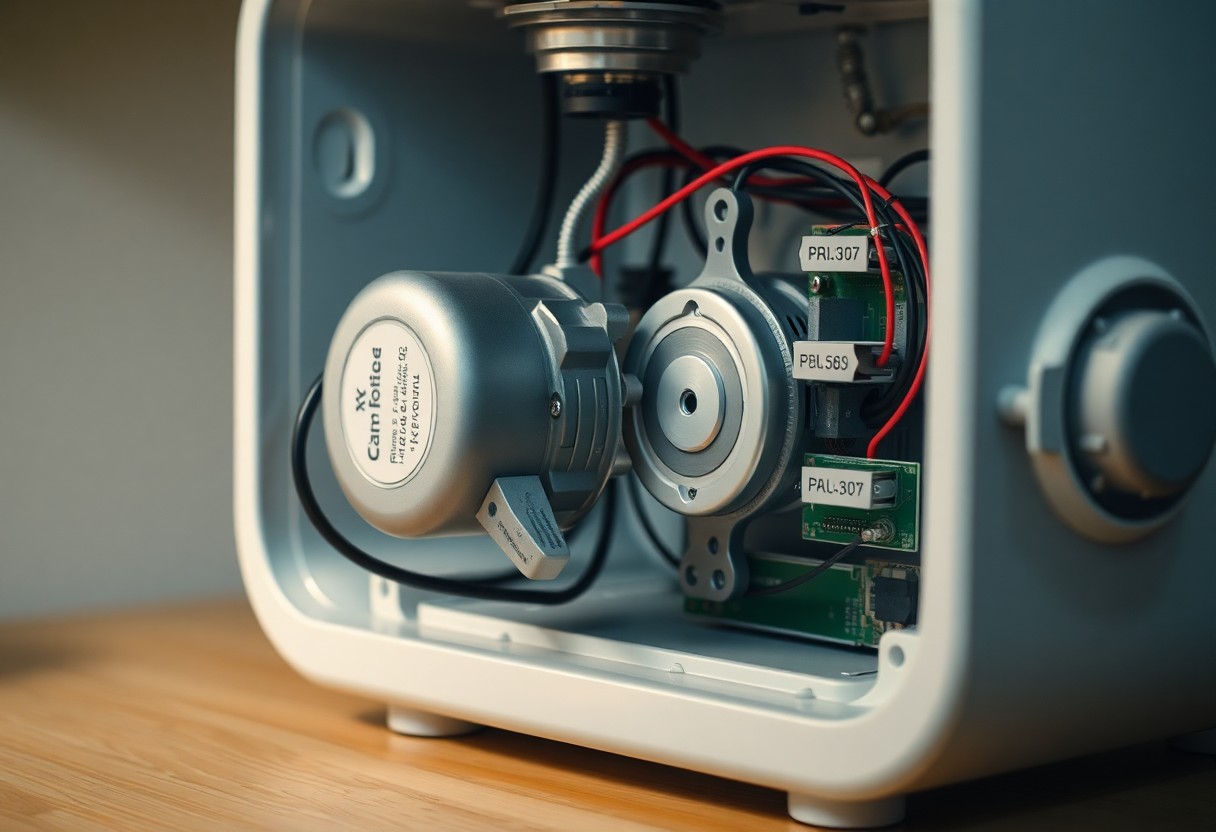
You may not realize it, but electromotors play a vital role in powering your everyday home appliances, from washing machines to refrigerators. Understanding how these components work can enhance your energy efficiency and even improve your appliance maintenance. By familiarizing yourself with the functionality of electromotors, you can make informed decisions regarding safety and performance, ensuring that your home operates smoothly and efficiently.
Types of Electromotors
| Type | Description |
|---|---|
| AC Motors | Alternating current motors are widely used in home appliances due to their efficiency and reliability. |
| DC Motors | Direct current motors are favored for their simplicity in speed control and compact size. |
| Universal Motors | These can operate on both AC and DC power, making them versatile for various applications. |
| Stepper Motors | Used in applications requiring precise position control, commonly found in printers and scanners. |
| Servo Motors | These motors provide high precision in movement, crucial in robotic applications. |
AC Motors
AC motors are predominant in home appliances like refrigerators, washing machines, and HVAC systems, mainly due to their durability and low maintenance needs. They work by converting alternating current into mechanical energy through electromagnetic induction, making them efficient for continuous operation. The most common types are induction motors, which utilize the principle of rotating magnetic fields, and synchronous motors that offer higher efficiency and precise speed control.
In your appliances, AC motors typically drive components such as compressors in refrigerators and drum motors in washing machines. They are often chosen for their ability to handle higher power levels while remaining cost-effective. Additionally, the characteristics of AC motors lend themselves to variable speed applications, providing versatility in appliance functionality.
DC Motors
DC motors are ideal for applications that require variable speed control or higher starting torque, as seen in handheld devices like blenders and vacuum cleaners. By varying the voltage supplied to the motor, you can control the speed with precision. Their design, generally simpler and more compact than AC motors, facilitates ease of integration into small appliances.
Another advantage of DC motors is their ability to rotate at high speeds, which enhances performance for certain tasks. Commonly found in battery-operated devices, you will notice them driving the functions of various home equipment, offering both efficiency and convenience. This adaptability makes them suitable for applications where you need quick responses and variable speed capabilities, enhancing your appliance’s overall usability.
Perceiving the significant role of DC motors in various household devices sheds light on their impact on modern living. In diverse applications from toys to tools, their compact design and reliable performance make them a staple in everyday technology.
Applications in Home Appliances
Washing Machines
In modern washing machines, induction motors are commonly employed due to their efficiency and ability to handle varying load conditions. These motors enable the washer’s drum to spin at high speeds, effectively removing water from clothes while using minimal energy. Your washing machine typically consists of a combination of direct drive technology and a series of sensors, allowing it to automatically adjust the motor’s speed and power consumption based on the load size and fabric type. This not only optimizes performance but also contributes to lower utility bills.
Some advanced models even feature smart technology that allows you to control the washing cycles remotely via smartphone apps, showcasing the integration of electromotor technology with modern digital solutions. For example, energy-efficient models can use around 20% less water and 30% less energy compared to older, conventional machines, significantly enhancing your laundry experience while being kinder to the environment.
Refrigerators
Your refrigerator employs compressor motors that play a vital role in maintaining a consistent internal temperature, ensuring food safety and freshness. These motors work by compressing refrigerant gases and circulating them through coils, allowing heat to be expelled from the unit while cool air is retained. Many newer models utilize variable-speed motors that can adjust their operation based on temperature fluctuations, providing enhanced energy efficiency compared to traditional single-speed compressors.
In recent years, the advancement of inverter technology has revolutionized how refrigerator motors function. Inverter compressors adjust their speed seamlessly rather than cycling on and off, leading to a more stable temperature and reduced energy consumption. Homes equipped with these energy-efficient refrigerators may see a reduction in their electric bills by up to 30%, illustrating how electromotor technology is not only convenient but also economically beneficial.
Tips for Choosing the Right Electromotor
Consider Your Appliance Needs
When selecting an electromotor for your appliance, first assess the specific requirements of that device. Think about the power output necessary for proper function; for example, larger appliances like refrigerators may need a motor with higher torque compared to smaller devices such as hand mixers. Additionally, consider the type of motor that suits your appliance’s function. Brushless motors can be more efficient, while brushed ones may provide adequate performance at a lower cost.
Understanding the environment your appliance operates in is also important. If your device will face exposure to high moisture or dust, environmentally sealed motors might be your best choice. Look for specifications related to durability and operational range, such as temperature and humidity ratings, to ensure maximum longevity and efficiency. The motor should align with your appliance’s intended use to optimize its performance.
Energy Efficiency Ratings
Evaluating energy efficiency ratings is fundamental when choosing an electromotor, particularly with rising energy costs and growing environmental concerns. Commonly, motors are rated on a scale that indicates their efficiency, like IE rating systems, which help you compare models. Choosing a motor with a higher efficiency rating often translates to significant savings on electricity bills over time, ultimately benefiting both your pocketbook and the planet.
Additionally, motors that are energy efficient usually produce less heat, which may prolong their lifespan and reduce maintenance frequency. Motors with an IE3 rating or higher are particularly desirable for their balance of performance and cost-effectiveness. Shopping around for energy-efficient options not only contributes to sustainability but can also enhance your appliance’s effectiveness and reliability. The energy efficiency of your motor can have long-lasting impacts on your overall energy usage.
Step-by-Step Installation of Electromotors
Preparation and Safety
Before beginning the installation of your electromotor, ensure you have the necessary tools and materials, including screwdrivers, a multimeter, and the appropriate wiring. Disconnect the power supply to the appliance to prevent any electrical hazards. Wearing personal protective equipment such as gloves and safety goggles is highly recommended to protect against potential injuries. Review the manufacturer’s specifications for your specific electromotor to ensure compatibility and understand the installation process thoroughly.
It’s crucial to perform a thorough examination of the workspace. Clear any debris or obstacles that could impede your progress. Make sure that your electrical connections are secure and free from corrosion. Familiarizing yourself with the appliance’s layout can save you time and enhance safety during the installation process, allowing you to visualize each step before proceeding.
Wiring and Assembly
Start your wiring procedure by carefully following the schematic diagram provided by the manufacturer. Connect the motor leads to the power supply by ensuring that you match colors correctly; typically, black or red is positive, and white is negative. Using terminal blocks can create a secure and insulated connection that minimizes the risk of short circuits. Double-check your connections before securing the motor in place.
After establishing electrical connections, proceed with the physical assembly of the electromotor into the appliance. Align the motor with the designated mounting points and secure it using the appropriate screws or bolts. Ensure that the motor is fitted snugly to prevent vibrations during operation. Lastly, re-check all electrical connections and use a multimeter to test for continuity before restoring power to the appliance.
It’s advisable to run a preliminary test of the appliance after installation to confirm everything operates correctly. Listen for unusual sounds or vibrations; these could indicate misalignment or loose components. If you encounter difficulties, consult the installation manual or seek expert assistance to avoid damaging your equipment.
Factors Influencing Electromotor Performance
The performance of an electromotor is affected by various factors that can significantly impact its efficiency and longevity. Understanding these aspects allows you to make informed decisions when selecting appliances for your home. Key factors include:
- Size
- Power Ratings
- Operating Conditions
- Maintenance Practices
Each of these factors plays a role in determining how well an electromotor will function in specific applications. After understanding these influences, you can better assess the suitability of appliances for your needs.
Size and Power Ratings
The size and power ratings of an electromotor are pivotal in its operational capability. Larger motors typically offer more power and torque, which is advantageous for demanding appliances like refrigerators and washing machines. For instance, a standard washing machine motor might have a rating of around 0.5 to 1.5 horsepower, optimal for spinning cycles while maintaining energy efficiency. Selecting the correct power rating ensures that the motor neither overworks nor underperforms, providing a balance between functionality and energy consumption.
Additionally, the physical size of the motor can influence installation and space considerations in your appliances. Compact motors are suitable for smaller devices, such as blenders and vacuum cleaners, where space is limited. In contrast, larger motors may not fit appropriately in smaller appliances, leading to potential operational inefficiencies.
Operating Conditions
Your electromotor’s performance is also significantly affected by its operating conditions. It’s necessary to consider factors such as temperature, humidity, and surrounding environment when using appliances. For example, motors exposed to high humidity might face increased wear and tear, leading to shorter lifespan and potential failures. Similarly, extremely high or low temperatures can affect lubrication and motor efficiency, causing overheating or inadequate performance under load.
Moreover, the frequency of use and load variations contribute to how well your motor operates over time. If you frequently run high-load appliances without adequate breaks, you may notice a decline in performance due to heat buildup. Regular maintenance and careful monitoring of these operating conditions can enhance the lifespan and efficiency of your appliances.
Pros and Cons of Using Electromotors
Pros and Cons of Electromotors
| Pros | Cons |
|---|---|
| High efficiency in energy use | Initial cost can be high |
| Low maintenance requirements | Noise emission in some designs |
| Compact size for various applications | Overheating potential if not managed |
| Durable with long life expectancy | Vulnerability to power surges |
| Environmentally friendly options available | Requires proper installation for optimal performance |
| Variety of types available for different uses | Can require a specialized power supply |
| Instant torque for quick starts | Complexity in repairs |
| Widely available spare parts | Limited lifespan in harsh conditions |
| Compatible with automation systems | Potentially limited operating range |
| Versatile applications across devices | Efficiency decreases at lower loads |
Advantages of Electromotors
The benefits of incorporating electromotors into home appliances are significant. One of the primary advantages is their high efficiency, which translates to lower energy costs for consumers. In fact, some modern designs can achieve energy efficiencies exceeding 95%. This efficiency not only reduces your electricity bills but also contributes to a lower carbon footprint, aligning with sustainable living practices. Additionally, low maintenance needs paired with their durability mean that you can often enjoy years of service without substantial repairs, making them cost-effective over time.
Another compelling advantage is their compact size, which allows for versatile installation in a range of appliances from washing machines to vacuum cleaners. With various types available, you can easily find a motor that fits your appliance’s specific needs. Furthermore, their ability to provide instant torque enables appliances to start quickly and perform optimally, enhancing user experience and functionality in tasks like dishwashing or laundry.
Disadvantages to Consider
While electromotors offer many advantages, there are some disadvantages you should be aware of. The initial cost of these motors can be higher compared to traditional options, potentially affecting your appliance choice, particularly if you’re on a tight budget. Additionally, certain types may produce noise, which could be an annoyance in quieter settings. Moreover, while they are generally robust, improper installation or environmental conditions may lead to overheating or reduced performance, requiring careful attention during the setup process.
It’s also important to consider that electromotors can be sensitive to power surges, making them susceptible to damage if your home experiences voltage fluctuations. Thus, investing in surge protectors might be necessary to safeguard your appliances. Lastly, their efficiency tends to decline when operating under low loads, which can impact performance in some scenarios, illustrating the importance of selecting the right motor for your specific usage requirements.
Final Words
Hence, understanding the role of electromotors in your home appliances enhances your awareness of how these devices function. Whether you are using a washing machine, refrigerator, or vacuum cleaner, these motors power the important operations, allowing you to enjoy convenience and efficiency in your daily tasks. The seamless integration of electromotors in these appliances contributes significantly to their performance and longevity, making them indispensable in modern households.
As you explore different home appliances, consider the impact of electromotors on their operation. By appreciating their function, you can make informed choices when selecting devices and ensure that you invest in quality products that meet your needs. Embracing this knowledge not only enhances your usage experience but also fosters a greater understanding of the technology that drives your household efficiency.

Comments are closed