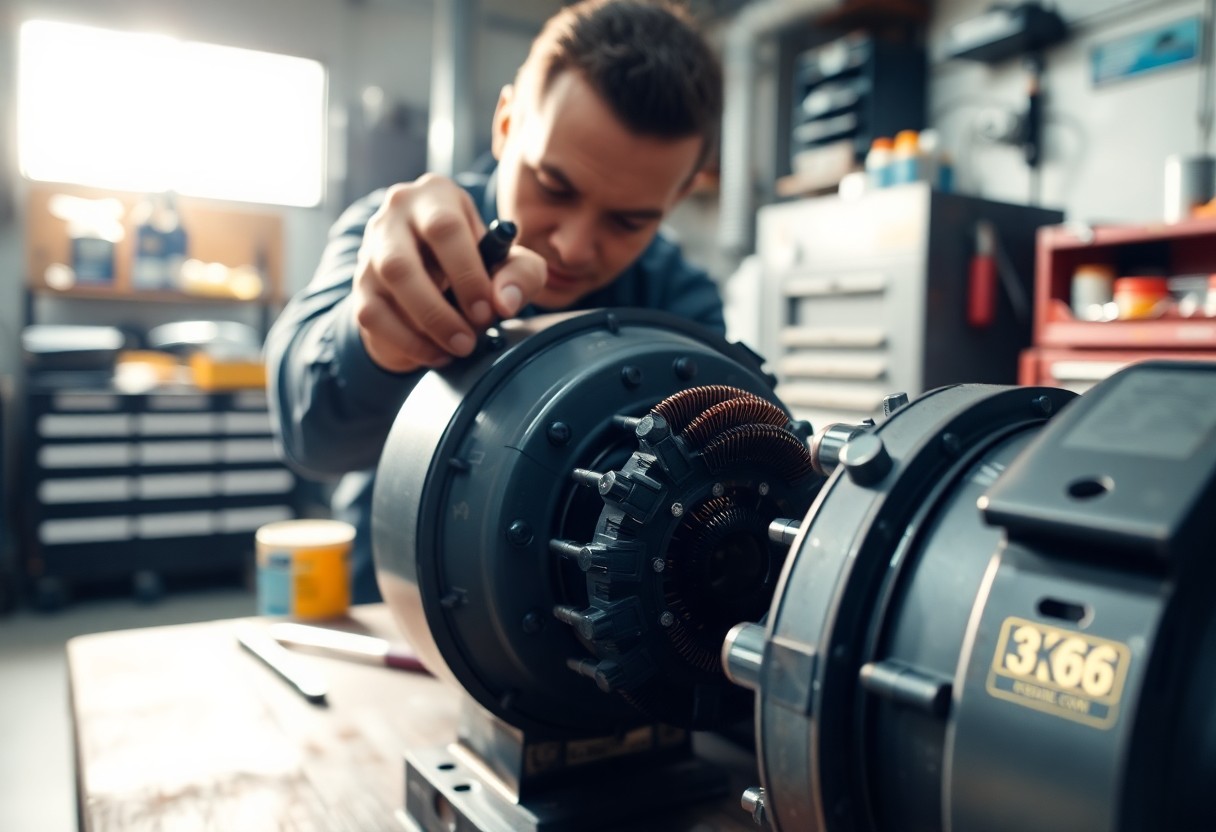
This guide will provide you with effective strategies to extend the lifespan of your electromotor, ensuring it operates efficiently and safely. By implementing these practices, you can prevent overheating, reduce wear and tear, and eliminate the risk of malfunctions. Regular maintenance, appropriate usage, and timely repairs will not only enhance performance but also save you from costly replacements. Follow these tips to protect your investment and achieve optimal performance.
Types of Electromotors
| Type | Description |
|---|---|
| AC Motors | Convert alternating current into mechanical energy; commonly found in household appliances. |
| DC Motors | Use direct current to create motion; preferred in applications requiring precise speed control. |
| Step Motors | Division of rotation into discrete steps; ideal for applications needing accurate positioning. |
| Servo Motors | Incorporate feedback mechanisms to enhance precision; frequently used in robotics. |
| Universal Motors | Can operate on both AC and DC power; versatile in various domestic appliances. |
Recognizing the significance of selecting the appropriate type of electromotor can greatly enhance your system’s efficiency and longevity.
AC Motors
AC motors are widely utilized in applications where high efficiency and reliability are required. These motors operate on alternating current, with two primary types: synchronous and induction. Synchronous motors maintain a constant speed relative to the frequency of the supply current, making them suitable for applications needing consistent performance, such as in industrial machinery. Induction motors, on the other hand, do not require slip and can handle varying loads without significant loss in efficiency. They are prevalent in home appliances like fans and refrigerators.
AC motors are generally more robust and require less maintenance compared to their DC counterparts, thanks to the absence of commutators and brushes. Their simplicity in design allows them to perform well in various environments, from residential to industrial settings. This versatility contributes to their popularity in electric vehicles and HVAC systems, where low-cost operation and long service life are paramount.
DC Motors
DC motors are favored for their ability to provide variable speed and torque control. They operate on direct current, making them ideal for applications where precision is key, such as in robotics and small household devices. You will often find them in toys, tools, and electronic devices where compact size and lightweight design are beneficial. The two common types are brushed and brushless DC motors, with brushed motors offering simpler control but higher maintenance needs due to wear on brushes.
Brushless DC motors are gaining traction due to their longer lifespan and efficiency, especially in applications where reduced maintenance and energy consumption are priorities. These motors utilize electronic controllers to manage speed, allowing for smoother operation and enhanced performance in various scenarios, such as in electric bikes and drones.
For effective maintenance of your DC motors, keep their environment clean and free of debris. Over time, thermal buildup can impact their performance, so ensuring proper ventilation can significantly enhance their operational lifespan. Additionally, regular lubrication of moving parts helps in sustaining their functionality.
Key Factors Affecting Lifespan
The lifespan of your electromotor is influenced by a variety of factors, each playing a role in its efficiency and durability. Understanding these factors will help you make informed decisions to enhance its longevity. Key aspects to consider include:
- Environmental Conditions
- Usage Patterns
- Maintenance Practices
After recognizing these factors, you’ll be better equipped to implement strategies that promote a longer operational life for your electromotor.
Environmental Conditions
Your electromotor operates best in optimal environmental conditions. Factors such as temperature, humidity, and exposure to dust or corrosive elements can significantly impact its performance. High temperatures can lead to overheating, while excessive humidity may cause moisture accumulation, which can damage electrical components. A clean, dry, and temperature-controlled environment is imperative for maintaining efficiency and preventing premature wear.
Consider the locations where your electromotor is installed. For example, placing it in a dusty workshop without proper ventilation can lead to internal contamination, reducing operational efficiency. Ensure regular cleaning and monitoring of your environment to mitigate these risks and protect your equipment.
Usage Patterns
The way you use your electromotor heavily influences its longevity. Factors such as operation frequency, load conditions, and startup procedures can strain the motor, leading to early failure. Motors that frequently operate at or near their maximum capacity face accelerated wear and tear. To improve lifespan, aim to operate your electromotor within its rated specifications, avoiding constant overloads or prolonged periods of idling.
In addition to load management, understanding operational cycles can enhance performance. If your motor is subject to frequent stops and starts, consider using soft starters or variable frequency drives to prevent mechanical stress and reduce the likelihood of overheating. You might also find it beneficial to implement a schedule for intermittent operation, allowing thermal dissipation during inactivity.
In your daily operations, establishing a routine for monitoring the electromotor’s performance can provide early detection of issues. Utilize sensors to track metrics like vibration and temperature, enabling you to address inefficiencies before they escalate into significant problems that could shorten the motor’s lifespan.
Tips for Maintenance
To ensure your electromotor operates efficiently, regular maintenance is necessary. This includes a combination of practices that help in identifying early signs of wear and tear while enhancing overall performance. Implement the following key maintenance strategies:
- Conduct regular inspections to identify potential issues.
- Utilize proper lubrication techniques to reduce friction.
- Keep your electromotor clean and free from debris.
- Monitor temperature levels during operation to avoid overheating.
- Check electrical connections for signs of damage or wear.
This proactive approach can significantly extend the life of your electromotor.
Regular Inspections
Implementing a routine for regular inspections is the backbone of effective electromotor maintenance. Ensure that you examine components such as windings, bearings, and connections at scheduled intervals. Look for signs of corrosion, wear, or abnormal noises that may indicate underlying issues. Even minor discrepancies can lead to major problems if left unattended, making vigilance a key aspect of upkeep.
During inspections, consider using diagnostic tools like infrared thermography to detect hotspots or unbalanced loads. This technology allows you to identify problems that might not be visible to the naked eye and could save you from costly repairs down the line. Consistency is vital here; aim for monthly checks and a thorough assessment every six months.
Lubrication Techniques
Proper lubrication of your electromotor is vital in minimizing friction and heat generation. Always use lubricants that are specifically recommended by the manufacturer to ensure compatibility and effectiveness. Employ different techniques based on the motor type; for example, grease in ball bearings has distinct requirements compared to oil in sleeve bearings. An initial application followed by periodic top-ups can maintain optimal performance levels.
Additionally, be cautious not to over-lubricate, as this can cause contaminants to accumulate and lead to failure. Consider using an automatic lubrication system if your electromotor operates in demanding environments. This ensures consistent application and reduces manual oversight. This practice not only prolongs the lifespan of your motor but also enhances reliability and performance.
Step-by-Step Guide to Extend Lifespan
| Cleaning Procedures | Electrical Connections Check |
| Regular cleaning prevents dust buildup, which can impair ventilation and cooling. Ensure you use a soft brush and compressed air to remove debris from the motor’s exterior and vents. | Inspect all electrical connections for signs of wear, corrosion, or loose terminals. A secure and clean connection is vital for optimal performance. |
| Schedule cleaning at least every three to six months, depending on the environment. Utilize protective covers when not in use to minimize accumulating dust. | Use contact cleaner to restore any tarnished contacts, and tighten loose screws. This step can significantly reduce the risk of overheating and electrical failures. |
Cleaning Procedures
Your electromotor’s cleanliness is vital for its efficiency and longevity. Accumulated dust and grime can restrict airflow, leading to overheating and potential burnout. A comprehensive cleaning involves both the outer casing and internal components. Make it a habit to inspect and clean your motor regularly, ideally every three months or more frequently if operating in a dusty environment.
When cleaning, always ensure the electromotor is powered down and disconnected from any electrical supply. Using a soft brush and compressed air can effectively remove dust and debris without damaging delicate parts. For stubborn contaminants, a damp cloth with mild detergent may assist but ensure everything is dry before reassembling.
Electrical Connections Check
Inspecting electrical connections is a vital step in maintaining your electromotor. Loose or corroded connections can result in increased resistance, leading to overheating or even catastrophic failure. Regularly check all terminals, ensuring they are clean and properly secured. If you notice any signs of corrosion, it’s vital to clean them using appropriate contact cleaner, allowing for a reliable electrical circuit.
A good practice is to perform these checks every month if your motor is heavily used. Ensure that the wiring is also intact and free from fraying. Any degraded wires should be replaced immediately to prevent shorts or electrical fires, which could cause severe damage to the electromotor or surrounding equipment.
Pros and Cons of Extended Lifespan
Pros and Cons of Extended Lifespan
| Pros | Cons |
|---|---|
| Increased efficiency and reduced operational costs | Higher initial investment for maintenance |
| Less frequent replacement needs | Potential for diminished performance over time |
| Enhanced reliability in critical applications | Time-consuming maintenance schedules |
| Reduced environmental impact through less waste | Accumulation of outdated technology |
| Longer warranty periods from manufacturers | Risk of over-maintenance leading to complications |
Benefits of Longevity
A longer lifespan for your electromotor translates directly to improved efficiency and lower total cost of ownership. You can expect less downtime since the need for replacements occurs less frequently, allowing your operations to run smoothly. With a reliable motor, there is a strong likelihood that energy consumption remains stable, resulting in decreased utility bills. Historically, organizations that prioritize electromotor longevity report up to a 30% reduction in maintenance costs over time, highlighting a profitable return on investment.
Furthermore, longevity often correlates with enhanced reliability, which is necessary for sectors that depend on uninterrupted operation. Take manufacturing plants, for example; a malfunctioning motor can halt production, incurring significant losses. By ensuring your electromotor lasts longer, you maintain productivity levels, giving you a competitive edge. A motored system with extended longevity minimizes disruptions and reassures you and your stakeholders of consistent delivery.
Drawbacks of Over-Maintenance
While striving for an extended lifespan, there are potential pitfalls associated with over-maintenance. Performing unnecessary checks or replacements might lead to increased operational costs without any tangible benefits. For instance, if you replace components that are still functioning well, resources are wasted that could be better allocated elsewhere. Essentially, over-maintenance can divert attention from more pressing issues that require immediate action.
Moreover, excessive maintenance can inadvertently lead to complications that can shorten the overall lifespan of your electromotor. During such interventions, there’s a risk of introducing new errors or damaging existing components. Maintenance procedures that are not executed correctly can disrupt the motor’s functionality, potentially resulting in costly repairs or replacements. Careful evaluation and management of maintenance schedules are critical to preventing these unintended consequences.
The intricacies of maintenance and longevity require a delicate balance; striving for a longer life without falling into the traps of paralyzing over-care is necessary for optimal productivity.
Common Myths About Electromotors
Misconceptions about Lifespan
Many people believe that all electromotors have a fixed lifespan, typically assuming a set number of hours or years of operation. In reality, the lifespan can vary greatly depending on usage, environmental conditions, and maintenance practices. For instance, a well-maintained motor operated under optimal conditions may last significantly longer than one that is not, sometimes exceeding 20,000 hours of use. This variation means that it’s crucial to focus on factors like cooling, load conditions, and regular inspections rather than rely on generalized estimates.
Another widespread myth is that modern electromotors are indestructible and require minimal attention once installed. This misconception leads many to neglect routine check-ups, ultimately resulting in avoidable failures. Properly understanding that even high-quality models need consistent monitoring can prevent downtime and costly repairs, enhancing your motor’s actual operational lifespan.
Truth Behind Maintenance Needs
Contrary to the belief that maintenance is merely a suggestion, keeping your electromotor in peak condition involves several critical tasks. Regular lubrication, inspection for worn components, and ensuring proper alignment can prevent small issues from escalating into major failures. Studies show that up to 90% of motor failures are linked to improper maintenance, emphasizing the importance of routine care.
Investing time in maintenance not only prolongs your electromotor’s life but can also lead to significant energy savings. For instance, a well-lubricated motor can operate at peak efficiency, reducing power consumption by as much as 10%. Hence, establishing a detailed maintenance schedule based on your motor’s operational demands is crucial for maximizing both performance and lifespan.
Final Words
With this in mind, you should implement regular maintenance practices to significantly extend the lifespan of your electromotor. This includes routine inspections for wear and tear, keeping the motor clean from dust and debris, and ensuring all electrical connections are secure. Additionally, monitoring the operating conditions, such as temperature and load, ensures that you do not exceed the motor’s specifications, which can lead to premature failure.
Moreover, proper lubrication and cooling are vital for optimal performance. Ensure you use the recommended lubricants and follow the manufacturer’s guidelines regarding cooling systems. By taking these proactive measures, you can maximize the efficiency and longevity of your electromotor, ultimately saving you time and money on repairs and replacements.

Comments are closed