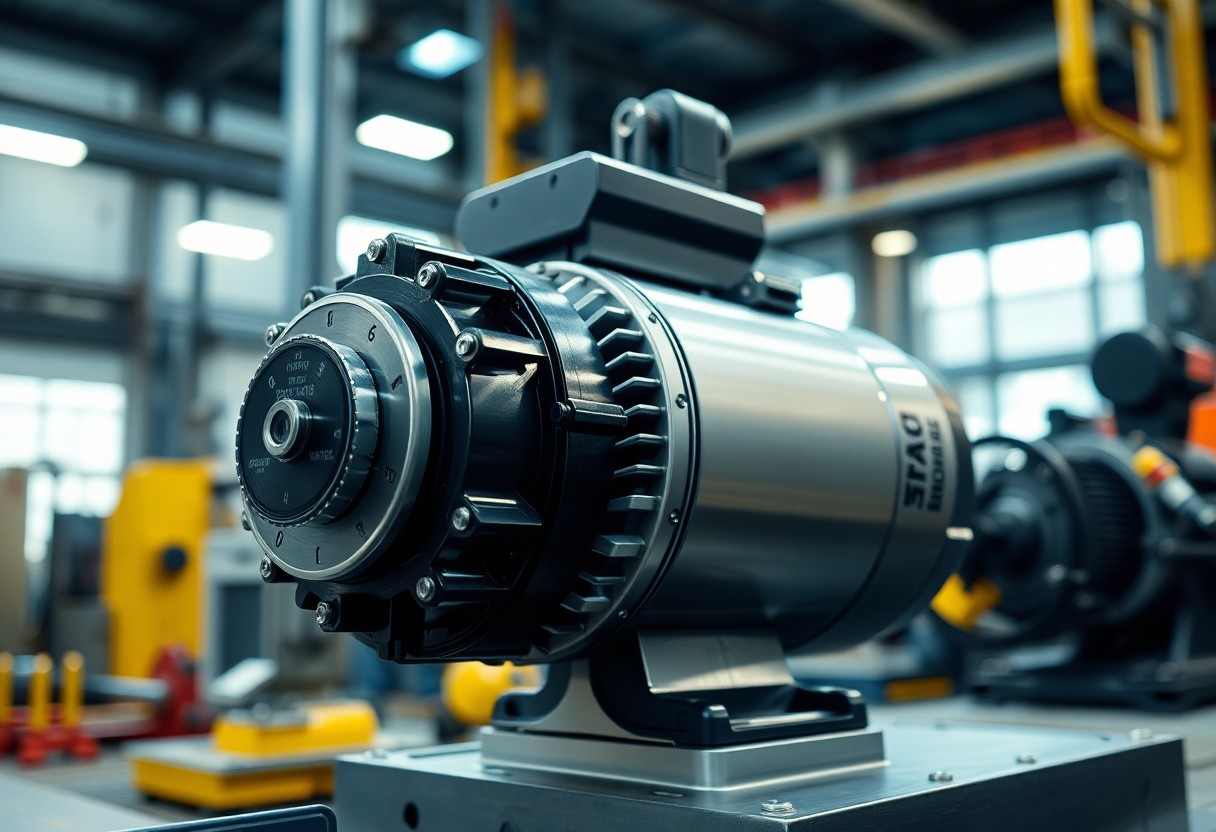
Electromotors play a vital role in enhancing energy efficiency across various applications. By converting electrical energy into mechanical energy, you can significantly reduce waste and optimize performance in your systems. The latest advancements in electromotor technology allow you to achieve higher output with lower energy consumption, leading to cost savings and environmental benefits. Understanding how electromotors operate and selecting the right type for your needs can empower you to make informed decisions that boost efficiency and sustainability.
Types of Electromotors
Understanding the various types of electromotors is vital for selecting the right one for specific applications, especially when aiming to boost energy efficiency. Electromotors can generally be categorized into two main types: AC Motors and DC Motors. Each of these types serves different purposes and has distinct advantages that can impact your system’s overall performance.
- AC Motors: Operate on alternating current.
- DC Motors: Run on direct current.
- Induction Motors: A type of AC motor, famous for reliability.
- Brushless DC Motors: Efficient, eliminates the need for brushes.
- Synchronous Motors: Operate at synchronous speed, maintaining efficiency.
Knowing the differences and applications of these motors can significantly influence your energy consumption strategies.
AC Motors
AC motors are widely acclaimed for their efficiency in converting electrical energy into mechanical energy. They typically operate using alternating current, which can be sourced from power grids. One notable example is the *induction motor*, which relies on electromagnetic induction. These motors are known for their robustness and are employed in various applications, from household appliances to industrial machines. Their high starting torque helps them manage demanding workloads efficiently while consuming less energy compared to other motor types.
Another key type of AC motor is the *synchronous motor*, which runs at a constant speed synchronized with the supply frequency. This makes it particularly effective in maintaining energy efficiency in applications requiring precision. For instance, in manufacturing processes, substituting an induction motor with a synchronous motor can lead to significant energy savings. The integration of variable frequency drives further enhances AC motor performance by allowing for speed adjustments to match immediate demands, thus optimizing energy usage.
DC Motors
DC motors convert direct current into mechanical energy and are particularly favored for their simple control and wide range of speeds. One advantage of DC motors is their ability to provide high torque at low speeds, making them suitable for applications such as electric vehicles and robotics. Often, these motors incorporate brushes that transfer electrical energy to the rotor, which can lead to maintenance issues, yet advances like brushless designs address this concern by enhancing reliability.
Within DC motors, *brushless models* demonstrate superior efficiency and longevity. They eliminate the friction and wear associated with brushes, providing smoother operation and reducing energy loss. Many modern industries prefer brushless DC motors for their ability to maintain efficient energy consumption over prolonged periods, delivering viable solutions for applications that demand both responsiveness and performance.
The development of compact and lightweight DC motors facilitates innovation in technology, enabling higher power output without significant energy consumption. Knowing how to apply these advanced DC motors in your projects can greatly enhance your energy efficiency efforts and reduce operational costs.
Factors Influencing Energy Efficiency
Your electromotor’s energy efficiency hinges on several key factors that can dramatically impact performance. Understanding these can help you optimize your systems for maximum output while minimizing energy consumption. Each of these elements plays a significant role:
- Motor Design
- Load Conditions
Any slight adjustment in these areas can lead to noticeable differences in energy efficiency and operational costs.
Motor Design
In terms of motor design, factors such as size, materials, and winding configuration are paramount. A well-designed motor minimizes losses through heat, thereby improving overall efficiency. For instance, using high-performance magnets can enhance torque density and reduce energy losses. Selecting a design that aligns with your application requirements ensures optimal performance, leading to substantial energy savings over time.
The integration of advanced technologies in motor design also contributes to efficiency. Innovations like variable frequency drives allow motors to operate at different speeds, adapting to load requirements fluidly. This adaptability helps you avoid unnecessary energy usage, especially in applications that experience fluctuating demand.
Load Conditions
Load conditions directly influence an electromotor’s efficiency and operational effectiveness. Your motor is designed to achieve peak performance at certain load levels. Operating below or above these levels can lead to inefficient energy use, increased wear, and ultimately lower lifespan. Ideally, to maximize efficiency, you should ensure that your motors operate near their optimal load point, which is often between 70-100% of rated load capacity. This range allows the motor to perform at its highest efficiency levels while minimizing losses associated with sudden load changes.
The impact of load variations can be significant. For example, running a motor at 50% load might lead to over 20% increase in energy consumption per unit of output. While some applications might require variable load capabilities, understanding the designed operational limits can help you strategize maintenance and upgrades. Any adjustments you make to align with ideal load conditions will not only extend your equipment’s longevity but also enhance your overall energy efficiency.
Tips for Enhancing Efficiency
Improving the efficiency of your electromechanical systems is important for maximizing productivity and reducing operational costs. Implementing effective strategies can lead to significant improvements in performance. Here are some key tips for enhancing efficiency:
- Conduct regular maintenance on your electromechanical systems.
- Ensure proper sizing of motors for the applications.
- Utilize energy-efficient technology and components.
- Monitor and analyze performance regularly to identify areas for improvement.
- Employ variable speed drives to adapt to changing operational demands.
Any investment in these areas can yield substantial returns through increased efficiency.
Regular Maintenance
Consistent maintenance of your electromechanical systems is a foundational practice for ensuring optimal efficiency. Schedule regular inspections to detect wear and tear early, which can prevent larger issues down the line. Checking for signs of overheating, misalignment, and lubrication levels can save you both time and money by avoiding unexpected downtimes and repairs.
Additionally, implementing a predictive maintenance strategy using vibration analysis or thermal imaging can help you maintain the systems at peak performance. By understanding the specific needs of your equipment and adhering to a maintenance schedule, you significantly reduce energy waste and extend the lifespan of your motors.
Proper Sizing
Choosing the correct size for your motors is vital for achieving energy efficiency. Oversized motors can lead to increased energy consumption and inefficient operation, as they may run at less than optimal capacity. Conversely, undersized motors can overheat and fail prematurely due to excessive load. By accurately calculating the required torque and power for your specific application, you ensure that the motor operates within a suitable range, thus improving efficiency.
To get the most out of your systems, conduct a thorough assessment of your operational requirements, including load profiles and duty cycles. Utilize simulation tools or consult with experts to determine the ideal motor specifications. Proper sizing not only improves the reliability of your equipment but also contributes to energy savings that can be significant over time.
Step-by-Step Guide to Upgrading Motors
Assessment of Current Motors
Begin by conducting a thorough inventory of your existing motors, noting their specifications such as power ratings, efficiency classes, and operational hours. This information helps you draw a clear comparison to modern alternatives. Engage your maintenance team to gather insights about any recurring issues, performance fluctuations, or maintenance needs they observe, which can indicate inefficiencies.
Analyze the operational environment of each motor. Consider factors such as load requirements, duty cycles, and working conditions. Assess potential mismatches between the motor specifications and your application demands, as this can reveal opportunities for significant energy savings. Gathering data on energy consumption and costs associated with these motors can then provide a benchmark for improvements.
Upgrade Path Overview
| Step | Description |
|---|---|
| 1. Inventory Assessment | Evaluate existing motors, noting efficiency ratings and performance issues. |
| 2. Operational Analysis | Understand motor usage, load requirements, and operational environments. |
| 3. Efficiency Benchmarking | Gather energy consumption data to establish baselines for improvements. |
| 4. Research Alternatives | Identify newer motor technologies and their efficiency standards. |
| 5. Cost-Benefit Analysis | Evaluate the cost of new motors against potential energy savings and benefits. |
Selection of Efficient Alternatives
After assessing your current motors, the next critical step is the selection of efficient alternatives. Investigate options such as permanent magnet synchronous motors (PMSMs) or variable frequency drives (VFDs), which can enhance efficiency by adjusting motor speed to demand. Many of these alternatives meet or exceed IE3 and IE4 efficiency classifications, resulting in lower energy consumption and decreased operational costs.
Compare different motor types based on your operational needs. For instance, if your applications involve variable loads, adopting VFDs can provide energy savings of up to 50% compared to traditional systems. Perform an analysis using tools such as life-cycle cost assessments to project long-term savings associated with these alternatives, ensuring you consider both installation costs and ongoing energy expenditures.
When choosing efficient alternatives, consider not only the immediate savings but also future scalability and integration into your existing systems. A detailed understanding of specifications, including torque requirements, startup conditions, and expected lifecycle, equips you to make more informed decisions. This holistic view can lead to optimal motor selection, maximizing performance and boosting overall energy efficiency in your operations.
Pros and Cons of Electromotor Use
| Pros | Cons |
|---|---|
| High energy efficiency | High initial costs |
| Low maintenance requirements | Limited power output in some models |
| Quiet operation | Temperature sensitivity can affect performance |
| Minimal environmental impact | Dependency on electricity supply |
| Versatile applications | Complex control systems for some designs |
| Instant torque delivery | Potential for electromagnetic interference |
| Compact size | Battery recycling issues in hybrid models |
| Reliability and longevity | Limited range compared to combustion engines |
| Low operational costs | Specialized skill required for repairs |
| System integration ease | Weight constraints in some electric vehicles |
Advantages of Electromotors
Electromotors offer significant advantages that make them ideal for various applications. Their high energy efficiency is one of the foremost benefits; they can convert a large proportion of electrical energy into mechanical energy, often achieving efficiencies above 90%. This efficiency translates to lower energy consumption and reduced operating costs, making electromotors economically and environmentally beneficial. The low maintenance needs further enhance their appeal, as they have fewer moving parts compared to traditional combustion engines, leading to fewer wear-and-tear issues.
In addition, their quiet operation stands out, especially in urban environments where noise pollution is a growing concern. Electromotors operate smoothly without the loud vibrations typical of gas-powered engines. This allows for their use in various settings, including residential and commercial applications. Their versatility means they can power everything from household appliances to large industrial machinery, making them indispensable in modern engineering.
Disadvantages of Electromotors
While electromotors provide many benefits, they also come with certain drawbacks that can affect their practicality in specific applications. One major concern is the high initial cost associated with purchasing and installing these systems, which can deter potential users. Additionally, the dependency on electrical supply means that any interruptions in power can disrupt operations greatly. For industrial applications, this could result in significant downtime, impacting overall productivity.
Temperature sensitivity is another factor to consider; electromotors can experience performance issues if they overheat. The operating environment must therefore be carefully managed to avoid overheating and associated inefficiencies. Furthermore, while many designs excel in particular metrics like energy efficiency and maintenance, some electromotors may offer limited power outputs, making them unsuitable for high-demand applications. The complexity of control systems in advanced models may also necessitate specialized knowledge for installation and repairs, complicating ownership and maintenance.
Summing Up
From above, you can see how electromotors significantly enhance energy efficiency in various applications. By converting electrical energy into mechanical power with minimal energy loss, you optimize the performance of your systems. This efficiency not only leads to lower energy costs but also reduces your environmental footprint, contributing to more sustainable practices in your operations.
As you consider implementing or upgrading your current systems, focusing on high-efficiency electromotors can yield substantial long-term benefits. By investing in these technologies, you are not just improving performance but also aligning your operations with contemporary energy-saving standards, positioning your business for future challenges and regulations.

Comments are closed